Wednesday, November 14, 2012

Zechariah 7 & 8 - Repentance Urged, Blessings Promised

LINK: Zechariah 7 & 8

BACKGROUND

Almost two years after the night visions in the previous chapters on December 7, 518 B.C., Zechariah gave three messages to the people. For the last 70 years, the people in captivity had been holding a fast in July/August to remember the destruction of Jerusalem by Nebuchadnezzar (2 Kings 25:8-10) and a fast in September/October commemorating the death of Gedaliah, governor of Judah, during a time of civil strife after the fall of Jerusalem (Jeremiah 41:2). They came to the temple to ask if they had to continue fasting now that the temple was being rebuilt. Here is the gist of the three messages:

1) They were rebuked for fasting and feasting (Leviticus 23, Deuteronomy 12) out of formalism and for themselves rather than for the Lord (7:5-6).

2) They were exhorted to administer justice and show mercy and compassion toward all because the previous generation had hearts as hard as flint (KJV says "adamant stone"). Because of this, God did not hear their prayers (7:13), dispersed them among the nations (7:14a), and desolated their land (7:14b). Yesterday's reflection and application related to this.

3) They were promised blessing in the future when God would bring them back, and He would dwell in Jerusalem and be their God in truth and righteousness. Their fasting would be turned to feasting, and they would be a blessing to "all languages and nations"(8:13, 22- 23; Genesis 12:1-3!). Therefore, Zechariah encouraged them to finish the work on the temple and not to be afraid.

REFLECTION

I have been saying since Genesis 12:1-3 that part of God's plan has been from the beginning that God wants to redeem all peoples. I have attempted over the entire two years of Old Testament studies to point out this "bottom line" blessing of the Bible.

If I haven't convinced you of this thread running throughout the entire Old Testament, Warren Wiersbe's summary of 8:20-23 should:
The Gentiles will be redeemed (Zech. 8:20–23). God called Abraham and established the nation of Israel so His people would witness to the Gentiles and lead them to faith in the true God (Gen. 12:1–3). In setting apart one nation, God was seeking to reach a whole world. Many of the great events in Jewish history recorded in Scripture had behind them a witness to “the whole world”: the plagues of Egypt (Ex. 9:16); the conquest of Canaan (Josh. 4:23–24); God’s blessing of the nation (Deut. 28:9–11); and even the building of the temple (1 Kings 8:42–43). When David killed Goliath, he announced that God would give him victory so “that all the earth may know that there is a God in Israel” (1 Sam. 17:46). 
But Israel failed in her mission to the Gentiles. Instead of the Gentile nations coming to worship the true God of Israel, the Jews forsook Jehovah and worshiped the false gods of the Gentile nations. The “court of the Gentiles” in Herod’s temple became a market where Jews visiting Jerusalem from other countries could exchange their money and buy approved sacrifices. However, before we criticize the Jews too much, we had better examine the track record of the church when it comes to winning the lost at home and taking the Gospel to nations abroad. 
When Messiah restores His people and establishes His kingdom, the Gentiles will trust the true and living God and come to Jerusalem to worship Him. Isaiah saw a river of Gentiles “flowing” into the city (Isa. 2:1–5) and Micah used the same figure (Micah 4:1–5). Zechariah describes a scene in which ten men (a Hebrew expression for “many men”) will take hold of one Jew and beg to go with him to the temple!  
It’s a wonderful thing when God so blesses His people that others want what God’s people have. “We have heard that God is with you” (Zech. 8:23). This sounds like what should happen in our local churches when an unbeliever beholds our worship of the Lord. “He will be convinced by all that he is a sinner and will be judged by all, and the secrets of his heart will be laid bare. So he will fall down and worship God, exclaiming, ‘God is really among you!” (1 Cor. 14:24–25, NIV) 
“I say then,” wrote Paul, “has God cast away His people? Certainly not!” (Rom. 11:1, nkjv) There’s a bright and blessed future for God’s people Israel, even though the nation has been oppressed and persecuted by the Gentiles, some of whom claimed to be Christians. Our privilege is to love them, pray for them, and tell them that their Messiah, Jesus Christ, has come and will save them if they trust in Him. The Gospel of Christ is still “the power of God for salvation to everyone who believes, for the Jew first and also for the Greek” (Rom. 1:16, nkjv).  (Be Heroic, p. 128)
APPLICATION

Where do you fit into God's global purpose?

PRAYER

Lord, we praise You for Your purpose which is so clear in Scripture. Bring us to the application of and action upon Your Word today. We ask this in Jesus' name. Amen.

Tuesday, November 13, 2012

Zechariah 5 & 6 - Flying Things and Peace

LINK: Zechariah 5 & 6

BACKGROUND

Zechariah 5

Sixth and Seventh Visions - Flying Scroll and Woman in a Basket 

A scroll the exact size of the Tabernacle (30 feet long by 15 feet wide) contains a curse for violators of the third and eighth commandments (Exodus 20:7, 15) probably representing judgment on anyone who violates God's Law.

The woman in a basket (In Hebrew, it means a large barrel or basket used in household dry measurement ranging in size from 5 to 10 gallons) symbolizes wickedness (the Hebrew word for wickedness is in the feminine gender) that would be banished and sent to Babylonia which was a symbol for wickedness and idolatry (Revelation 17:3-5). Sin's power and penalty have been removed because of Christ. One day, Christ will remove all sin from the earth when He comes again. Then, there will be eternal peace and safety. Come Lord Jesus!

Zechariah 6

Eighth Vision - The Four Chariots 

This vision concludes the eight visions that Zechariah saw on the night of February 15, 519 B.C. These four chariots and horses are similar to the four horsemen in Zechariah 1. They come out of two mountains made of bronze with this metal often symbolizing righteous, divine judgment against sin (Revelation 1:15; 2:18). The chariots with their horses represent four spirits (or "winds", Hebrews 1:14) that go out throughout the earth to accomplish His purposes. The chariots suggest the idea of battle and indicate judgment (Isaiah 66:15). Many believe the colors of the horses are significant and connect it with Revelation 6:1-8 where the red horses symbolize war, the black horses going toward the north (Babylon), famine; and the white horses going after the black horses, death. There is speculation that the dappled horses going toward the south symbolize plagues. Overall, this vision means God's judgment on Gentile nations for their sins.

The Scarlet Thread of Redemption

Zechariah 6:9-15 tells us of the rule of Jesus (the "Branch" - see comments from yesterday) who will rule as a Priest on His Kingly throne. (A totally perfect Priest-King instead of two separate people who were often corrupt!) A time will come when there will be perfect peace and harmony between civil and religious authority in the person of Jesus Christ!

REFLECTION

I watched the Mumbai Massacre documentary on PBS this week; and I am, once again, struck by the fact that we live in a very unsafe world! It led me to pray for the families of the 170 people killed in November of 2008 and also the families of the terrorists. My heart ached to hear the survivors tell of the 10 scared, young gunmen controlled by masterminds sitting in safety in Pakistan and giving orders to kill over cell phones. None of the survivors interviewed expressed animosity toward their attackers but rather a "highly grudging sympathy" for them. They came from poor and uneducated backgrounds. One of the gunmen had been sold to the Jihadists for $3,000 US by his own parents!

The author of the excellent book, Three Cups of Tea, Greg Mortenson says, "If you fight terrorism, it's based on fear, but if you promote peace, it's based on hope." Greg has promoted peace by supporting community-based education, especially for girls, in remote regions of Pakistan and Afghanistan. Since 1993, his Central Asia Institute has successfully established 130 schools in Pakistan and Afghanistan which provide 51,000 students, with an emphasis on girls' education. Why girls? Because statistics show that educated mothers are less likely to allow their sons to go on Jihad. (For those of you who have concerns about this organization from watching the news, ALL lawsuits were dropped in October 2013.) 

2023 Update: The numbers that have been helped are much higher all these years later. Check out their website.

I also know of someone working in Tajikistan to help kids with disabilities there. If you want to learn how you might give, contact me at Body and Soul Companion.

APPLICATION

What have you done to promote peace today?

PRAYER

Lord, we long for the day when we will have perfect peace and security when the Prince of Peace reigns. As we celebrate His first coming soon, help us to be instruments of His peace today. We ask this in Jesus' name. Amen.

Monday, November 12, 2012

Zechariah 3 & 4 - Clean Garments and Empowered Lives

LINK: Zechariah 3 & 4

BACKGROUND

The Fourth Vision - Clean Garments for the High Priest (Zechariah 3)

This vision speaks of Israel's internal cleansing from sin. Unlike the first three visions, this one contains no questions from Zechariah and answers from the angel. Joshua, the high priest who returned with Zerubbabel from Babylon, stands (in his priestly duty) before the angel of the LORD (some commentators believe this is the pre-incarnate Christ because he "takes away" sins [3:4]). Representing the whole nation, Joshua wears "filthy" garments which literally mean "excrement-covered" (Commentary on Zechariah by Merrill F Unger, p. 59). Satan accuses Joshua of sin before the angel, but the angel rebukes him stating that Jerusalem had been plucked from the fire of captivity for a purpose. Israel was acquitted and given clean garments symbolizing the forgiveness and restoration of Israel as a priestly nation (Exodus 19:6).

The Scarlet Thread of Redemption

There is a symbolic message with "the Servant, the Branch, and the Stone" (3:8-9). Christ is the Servant who came to do the will of the Father (Isaiah 42:1; 49:3-4; 50:10; 52:13; 53:11). Christ is the Branch in that He is from the Davidic branch that will rise to become King (Isaiah 4:2, 11:1 - Stay tuned for our discussion of the "Jesse Tree" next week!). As the Stone, He is the cornerstone (Matthew 21:42; 1 Peters 2:6), a stone of stumbling (1 Peter 2:8), rejected stone (Matthew 21:42), smitten stone (Exodus 17:6; 1 Corinthians 10:4), and the smiting stone (Daniel 2:34-35). At His first coming, Jesus was a stumbling stone because Israel rejected Him but the foundational cornerstone of the church. When He comes again, He will smite all other kingdoms and establish His kingdom!

The Fifth Vision - The Lampstand and Two Olive Trees (Zechariah 4)

This lampstand was supernaturally supplied with golden oil flowing from two olive trees to the bowl and onto seven channels to each of the seven lights on the lampstand. The two olive trees symbolized Joshua and Zerubbabel in their priestly and kingly roles for the people of God (4:14). This vision symbolized that, despite the opposition, God would give them success to complete the task of rebuilding the temple and shining His light because of His Spirit and not because of their might and power.

REFLECTION

Satan is never a savory subject, but he is alive and kicking. We see him in his role as accuser in Zechariah 3. We learned in Job 1-2 that he has access to God's throne. Also, we know that He accuses God's people "day and night"(Revelation 12:10).

Satan has grounds for accusation! There is no denying that we are sinful people and deserve condemnation for our sins. Our Righteous Judge cannot ignore our sins, but Jesus Christ is our Advocate as He represents us before the throne of God when we sin (1 John 2:1-2). He was "delivered over to death for our sins and was raised to life for our justification" (Romans 3:25). Satan's accusations mean nothing because Jesus already died for those sins, and He has covered us in His righteousness!
Therefore, there is now no condemnation for those who are in Christ Jesus. For the law of the Spirit of life in Christ Jesus has set you free from the law of sin and of death.

Who will bring a charge against God's elect? God is the one who justifies; who is the one who condemns? Christ Jesus is He who died, yes, rather who was raised, who is at the right hand of God, who also intercedes for us. (Romans 8:1-2; 33-34)
When "we confess our sins, He is faithful and righteous to forgive us our sins and cleanse us from all unrighteousness" (1 John 1:9). Then, the case is closed! God cannot condemn us for sins His own Son has already covered. He goes beyond that to cover us in His righteousness. "I will put rich garments on you" (Zechariah 3:4) not garments of our own making like Adam and Eve (Genesis 3:7) but garments in which blood was shed (Genesis 3:21) and suitable to cover us in righteousness.

That is GOOD NEWS!

APPLICATION

Have a time of confession before the Lord and rejoice in His righteousness today. Also, invite God's Spirit to work in and through you to accomplish the impossible!

"Not by might nor by power,
but by My Spirit,"
says the Lord of hosts.
(Zechariah 4:6)
 
Here is a song from the 80s based on this verse: 


PRAYER

Lord, the enemy accuses us day and night, but we have an Advocate, Jesus Christ, the righteous! We praise You that as we confess our sins, You are faithful and righteous to forgive us our sins and to cleanse us from all unrighteousness. Lord, despite opposition, you want to empower us by Your Spirit for a purpose. Lord, use us to do the impossible today! We pray this in Jesus' name. Amen.

Sunday, November 11, 2012

Zechariah 1& 2 - Visions

LINK: Zechariah 1 & 2

If you have not already done so, please read the "Introduction to the Prophetical Books." 

BACKGROUND


Book of Zechariah


If you are reading along with us in the Bible Book Club, you know that Zechariah prophesied during the rebuilding of the temple. If you are reading in another way, see the post for Ezra 4 HERE.


Here is a review of where Zechariah fits in historically:

Ezra 4:1-5 (Cyrus, 559-530) (Reigns of Cambyses [530-522] and Smerdis [522])  
Haggai (Darius I, 521-486)  
Zechariah 1:1-8:23 (520-518)  
Ezra 4:24-6:22 
Zechariah 9:1-14:21 (480-470)  
Esther (Xerxes/Ahasuerus, 485-465)  
Ezra 4:6-23 (Xerxes/Ahasuerus - Artaxerxes, 464-424)  
Ezra 7:1-10:44 (Artaxerxes) 

He started preaching two months after Haggai started preaching, and they overlapped for about two months. So, for a time, the people were getting God's encouragement in stereo! :)

Zechariah 1-8 was written while the temple was being rebuilt.

Zechariah 9-14 was written after the rebuilding of the temple.

The Scarlet Thread of Redemption


At that time, Zechariah gave consoling sermons to the workers engaged in rebuilding God's most holy structure, the temple. He also gives us colorful visions of a glorious future for God's people. It is the most Messianic (and longest) of all of the Minor Prophets. He tells of God's future deliverance through the Messiah (Zechariah 9:9-10). 


Zechariah 1-6 are visions

Zechariah 7-8 are sermons
Zechariah 9-14 are promises

Haggai was old when he prophesied, and Zechariah was young.
Haggai exhorted while Zechariah encouraged. 
Haggai preached in the form of messages, and Zechariah shared eight visions; five of comfort and three of condemnation. 

Zechariah 1 & 2

Zechariah starts with a call to repentance for God's people. God's message was clear and simple: "Return to Me, and I will return to you." 


In these chapters, Zechariah shares the first three of eight visions:


Man among the Myrtles (1:7-17) - Wicked nations may seem like they prosper but God will bring judgment upon the nations who have oppressed Judah.


Four Horns and Four Craftsman (1:18-21) - The horns were the four world powers that oppressed Israel (Egypt, Assyria, Babylon, and Medo-Persia). The four craftsmen were the nations used to overthrow them. 


Man with the Measuring Line (Zechariah 2) - Jerusalem would be rebuilt and the people would be restored. Zechariah 2:9-12 is a promise of the Messiah who will live among them and a promise that Gentile nations will come to know Him (John 1:14; Revelation 21:3 and do not forget the promise in Genesis 12:3!)


REFLECTION


I was just talking with my friend, Kim, this morning about her husband's devotional with their kids yesterday during a camping trip. Then, I read this while composing this post:

How would you evaluate your father's contribution to your spiritual life? (a) negligible; (b) sizable; (c) enormous.  
Four times in his opening verses, Zechariah mentions the sorry state of Judah's fathers or ancestors (1:2, 4-6) who, by ignoring God and pursuing evil, brought divine judgment upon themselves and their children. 
Fathers, yours is an awesome assignment: to assist your children in becoming men and women of God. And the painful testimony of Scripture is this: children seldom rise to a higher spiritual plane than that of their parents. Read the first six verses of Zechariah as if it were a manual titled How to Succeed as a Father because that is just what those verses will help you do. (The Daily Walk, September 23, 2008, p. 29)
APPLICATION 

I relay this reflection knowing that this is a touchy subject for some of you because your dad's contribution to your spiritual life may have been negligible.


Take heart! Even though my dad was great, he had no part in my spiritual development because he was not a believer until a few years before he died (I had the great privilege of praying with him to welcome Christ into his heart and life, but that is another story.). If this is the case for you, God is your heavenly Father who wants to nurture you in your growth.


If your dad was not great and did not invest spiritually, there may be some healing that needs to take place in your life to help you toward a true view of your heavenly Father. I am praying for this to happen for you!


If you are a father, take these verses in Zechariah to heart and make a plan!


If you are a wife, do not nag your husband, but pray that he will become the spiritual leader that God has made him to be!


If you are single or do not have children, you can have many spiritual children! Start investing spiritually in someone today! 


PRAYER

Lord, teach us to invest in the future generation. We ask this in Jesus' name. Amen. 

Saturday, November 10, 2012

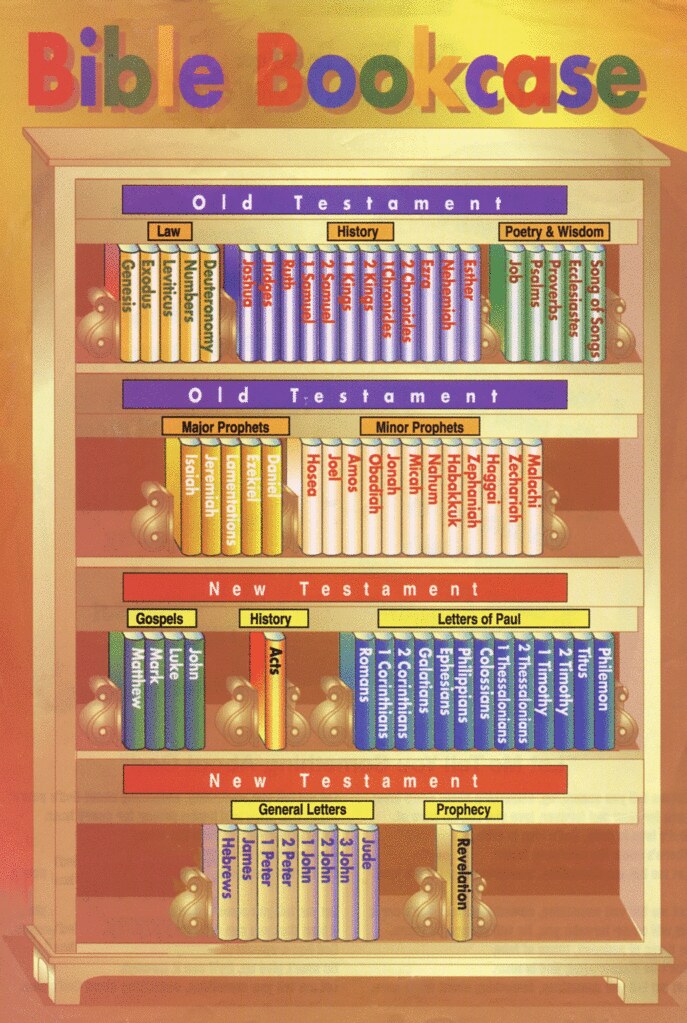
Put Haggai Back on the Old Testament Prophets Shelf

Haggai - Complete the Building!

LINK: Haggai

If you have not already done so, please read the "Introduction to the Prophetical Books." 

BACKGROUND 


Haggai, Zechariah, and Malachi are called the "postexilic prophets" because they prophesied to the exiles who returned to Jerusalem after the Babylonian captivity (586 B.C.). Yesterday, we learned that the work on the rebuilding of the temple was stopped in 530 B.C.  If you are reading this book separately from our semi-chronological study, read the post for Ezra 4 HERE.  


Here is a review of where Haggai fits in historically:

        Ezra 4:1-5 (Cyrus, 559-530) (Reigns of Cambyses [530-522] and Smerdis [522])
Haggai (Darius I, 521-486)
Zechariah 1:1-8:23
Ezra 4:24-6:22
Zechariah 9:1-14:21
Esther (Xerxes/Ahasuerus, 485-465)
Ezra 4:6-23 (Xerxes/Ahasuerus - Artaxerxes, 464-424)
Ezra 7:1-10:44 (Artaxerxes)

During this 10-year hiatus, the people were busy building their own homes and careers. In 520 B.C., Haggai exhorted the people to get their priorities in order and called them to rebuild the temple. Temple work resumed that year just 23 days after Haggai's first message.  If only all the other prophets had gotten that quick of a response!


The book is a series of four messages:


  1. Call to rebuild the temple: August 520 (1:1-15) 
  2. Promise of the future glory of the temple: October 520 (2:1-9) 
  3. Blessings for a defiled people: December 520 (2:10-19) 
  4. Promise to a Servant: December 18, 520 (2:20-23) 
The Scarlet Thread of Redemption

The fourth message was addressed to Zerubbabel, the leader of the work (see post for Ezra 4 HERE). He prophesied of the overthrow of Gentile kingdoms much like Daniel 2 prophesies of a worldwide messianic kingdom that would reign (Daniel 2:34-35, 44-45).  Zerubbabel is compared to a "signet ring" which was a seal of royal authority pressed in soft wax on written documents. God was reaffirming and guaranteeing his promise of the Messiah, Jesus, through David's line. Zerubbabel is in the genealogy of Jesus in Matthew 1:12.


REFLECTION 


The people were not living by God's priorities, ignoring His work, and doing their own thing by building up their own homes and lives. Sounds quite a bit like the Church today! 


I read the book of Haggai as I was working at a used homeschool curriculum sale and overheard the talk of a group of five middle-schoolers.  I was so sad to hear what they valued and sought after. They are still in process, but their priorities are not lined up with God's yet. I pray that they will be soon!  


Last fall, I read a sweet book by Billy Graham called Nearing Home. They are the reflections of a man nearing the end of his journey here on earth, and he gives wisdom and insight from Haggai: 


NEARING HOME WITH GOD'S STRENGTH 
True joy is derived from depending on the Lord Jesus. He is the One who supplies our strength in weakness, for when we are weak, He is strong (2 Corinthians 12:10). While it is important to put our own house in order, we must not forget to make the things of God the center of our thinking and doing. This was certainly the state of mind for the prophet Haggai, who wrote the second shortest book in the Old Testament at the approximate age of seventy. Haggai was stirred up by the Lord to rebuild the Temple in Jerusalem following the Babylonian captivity. In turn, he stirred up God's people by rebuking them for allowing the house of God to remain in ruins in their homeland: "Give careful thought to your ways . . . You expected much, but see, it turned out to be little . . . Why? . . . Because of my house, which remains a ruin, while each of you is busy with your own house" (Haggai 1:7-9). 
What stirs me about this two-chapter book is Haggai's rebuke along with his encouragement. Haggai mobilized God's people to take care of God's business and build up His house by giving them hope: "Be strong . . . For I am with you" (Haggai 2:4). 
We may be successful in putting our personal affairs in place, but if we do it at the sacrifice of the more important -- putting our spiritual affairs in order -- we miss the joy and purpose of life. The Bible says, "A wise man is strong, yes, a man of knowledge increases strength" (Proverbs 24:5 NKJV). Strength is found in the wisdom of God, and that is at our disposal whether young or old. 
Are you concerned only about taking care of business in a world that holds you captive? Or are you setting Christ at the center of your life with the assurance that you will abide with Him for eternity -- the place where hope becomes reality? Your strength may fade, but He is the One who will lift you up and help you stand strong in your weakness. When your faith begins to fade, ask the Lord to stir it up by considering all He has done for you, and be strong, for "My Spirit remains among you; do not fear" (Haggai 2:5 NKJV). (Nearing Home, p. 91-92) 
Jesus said, "Seek first the kingdom of God and His righteousness, and all these things will be added to you" (Matthew 6:33). There are blessings with the right priorities.

"Aligning your goals with God's goals 
is the path to spiritual success." 
(The Daily Walk, May 2, 2008, p. 7)  

How are your goals lining up? 

APPLICATION 

The spiritual classic "Tyranny of the Urgent" by Charles E. Hummel was one of the first "pamphlets" I read as a very young believer. It will help you examine your priorities according to God's priorities!


PRAYER

This prayer from the Spiritual Exercises of Ignatius sums up much of what it means to align our goals with God's goals:

Take, Lord, and receive all my liberty, my memory, my understanding, and my entire will, all that I have and possess. You have given all to me. To You, O Lord, I return it. All is Yours, dispose of it wholly according to Your will. Give me Your love and Your grace, for this is sufficient for me. (SE 234) *


* This prayer is known as the Suscipe, which means “receive” in Latin and is pronounced, "soos-chi-pay.” It is part of the "Fourth Week" of the Spiritual Exercises of Ignatius. See here and scroll down the page to learn more about the Exercises.


Lord, there is such great blessing in living our life according to Your plan. Help us to submit to Your plan with JOY! Amen. 

Friday, November 9, 2012

Psalm 106 - Summary of Sinfulness

LINK: Psalm 106 

BACKGROUND 


In sharp contrast to Psalm 105, which recounts the history of God's faithfulness to Israel, Psalm 106 recounts the history of Israel's faithlessness and ungratefulness. 


There are nine serious offenses on the part of the nation of Israel in this psalm that span time from the Exodus to the Babylonian Captivity. See if you can identify them now that you have almost finished reading the Old Testament! The things mentioned should be very familiar to you by now. 


Warning: they are not in chronological order!  I will answer this question in the REFLECTION section, but see how many you remember before reading it! It will be fun. 

While we do not know the date of this Psalm, 106:44-47 sounds like it might be related to the opposition from foreigners during the rebuilding of the temple. The confession in this Psalms is also strikingly similar to Nehemiah 9. 


Psalm 106 praises God for His goodness and asks Him for deliverance from captivity and enemies. It is meant to extol God for HIS mercy and long-suffering despite Israel's faithlessness. 

REFLECTION 


"The Lord took Israel out of Egypt in one night, 
but it took Him forty years to take Egypt out of Israel." 
George Morrison 

Here are the nine offenses of Israel; most of them were in the 40 years of wilderness wandering:


  1. Fear and unbelief at the Red Sea (106:7-12) - Exodus 14:10-31
  2. Whining about meat, food, and water (13-15) - Exodus 11:4-15; 15:22-27; 16
  3. Korah's rebellion (106:16-18) - Numbers 16-17
  4. Worship of the golden calf (106:19-23) - Exodus 32; Deuteronomy 9:8-29
  5. Fear of entering the land because of spies' report (106:24-27) - Numbers 13-14
  6. Participating in the pagan feast at Baal Peor (106:28-31) - Numbers 22-25
  7. Moses striking the rock at Meribah (106:32-33) - Numbers 20:1-13
  8. Idolatry in Canaan (106:34-39) - Judges 2:7-23 
  9. Continued disobedience after chastening (106:40-43) - Leviticus 26:27-39; Deuteronomy 28:48-68

APPLICATION

It is easy to condemn Israel for their sinfulness that stems from their lust of the flesh, the lust of the eyes, and the boastful pride of life (1 John 2:15-17). But who is to say we would not have done the same thing?


I see the sins in their behavior just as prevalent in my life, but mine just take on a more subtle and sophisticated form:

  • Fear and unbelief
  • Whining and ungratefulness over God's provision, protection, and plan
  • Rebellion against authority
  • Modern-day idols: The Progression of an Idol for more on this subject
  • Participating in worldly pursuits (think TV, movies, media, etc.)
  • Disobeying God's expressed will and plan.
Think about your own life. I think fear and unbelief are the major ones for most of us. So here is a good question for you: 

How much of what you do is based on fear rather than faith? 

OUCH!

PRAYER

Lord, You are faithful, despite our faithlessness. Help us to make You the center of everything we do. We ask this by the power of Your Spirit and in the name of Jesus. Amen. 

Thursday, November 8, 2012

Ezra 4 - Opposition!

LINK: Ezra 4

BACKGROUND


The mixed population of the land was the forefathers of the Samaritans mentioned in the New Testament. They were not true Jews. When the Assyrians conquered the northern kingdom of Israel in 722 B.C., they relocated people from outside into the capital city of Samaria. This led to intermingling in marriage with the Jews there (2 Kings 17:23-41). This was a common tactic used by the Assyrians to prevent insurrections.


These were the people who opposed the work. At first, they were deceitful. They offered to help claiming they worshiped the same God, but their worship mixed the worship of the LORD and other gods (2 Kings 17:29, 32-34, 41). They probably said they wanted to help only to sidetrack the project from within. Zerubbabel and the people flatly refused their help.


When that did not work, they did a frontal attack with harassment all the way to the time of Darius who ruled from 521-486 B.C. The temple was finally completed in 515 B.C. (4:24). 


The letters of Ezra 4:6-23 are chronologically out of order. Here is the order from Ezra 4-10:


Ezra 4:1-5 (Cyrus, 559-530) (Reigns of Cambyses [530-522] and Smerdis [522])
Haggai (Darius I, 521-486)
Zechariah 1:1-8:23
Ezra 4:24-6:22
Zechariah 9:1-14:21
Esther (Xerxes/Ahasuerus, 485-465)
Ezra 4:6-23 (Xerxes/Ahasuerus - Artaxerxes, 464-424) 
Ezra 7:1-10:44 (Artaxerxes)

They are here to show that the harassment lasted all the way to the reign of Xerxes in 485 B.C. These letters were written during the reign of King Artaxerxes, and the events during his reign are in Ezra 7-10. Ezra 4:8-6:18 and 7:12-26 are in Aramaic which was the trade language of the day. 

The letters summarize the story of the opposition to building the temple, walls, and other buildings in Jerusalem.  Ashurbanipal (669-627 B.C.) is mentioned. He was the Assyrian king who completed the relocation of the captives from the northern kingdom of Israel. When he died, the Assyrians were conquered by the Babylonians in 612 B.C. 


The "long history of revolt against kings" mentioned by Artaxerxes might have been referring to the history of former kings like Solomon (1 Kings 4:21) and Zedekiah (2 Chronicles 36:13).  The letters caused the work to stop until the reign of Darius (521-486 B.C., Ezra 4:24). 


REFLECTION 

I am reading Ezra and drinking Earl Grey in my half-full/half-empty cup and was feeling a bit discouraged this morning until I started reading this chapter. I am reminded that the glass really is half-full when we walk with God, and we do not need to be discouraged! 


I remember reading this part of the Bible during a time of tremendous discouragement in ministry. A woman spread unsubstantiated rumors about me amid a very fruitful and wonderful Bible study. She was jealous of my leadership, and she wanted me to stop.  It was so hard to continue under such intense scrutiny and suspicion.  One person believed the rumors and dropped out of the study and still holds me at arm's length today, but most are still my dear friends.  I just got off the phone with one of them thanking her for her encouragement during that stressful time. She was the strongest of the people who exhorted me to "Build on!" 

As for the woman who spread the rumors, a few years later, she abandoned her husband and children and left our city, never to be seen again. 


I really wanted to quit, but God gave me such encouragement through the leadership of Zerubbabel, Ezra, and Nehemiah!


APPLICATION 


Are you discouraged and want to quit?  Take encouragement from the life of Zerubbabel who saw the project through to the end. 


Can you see things through to the end despite opposition? 


PRAYER


Lord, when we face opposition for something we know You have called us to do, may we not listen to the lies of the enemy but to Your still, small voice that tells us to carry on. We ask this in Jesus' name. Amen. 
Monday, November 5, 2012

Psalm 92-100: Praise God!

LINK: Psalm 92-100 
(Praise God over the next five days!!!) 

BACKGROUND


It has been a while since we had so many psalms in a row! I love this!


Psalm 92 


This is an undated psalm that praises God for his goodness and is a great psalm to go with the exiles returning to Jerusalem. It was used in temple services on the Sabbath (Friday evening to Saturday evening).  The morning and evening sacrifices were doubled (Exodus 29:38-46; Numbers 28:1-10). God's covenant name, LORD, is used seven times in just a few verses. Thanksgiving is right around the corner, but it reminds us to let every day be a "thanksgiving day." 


Psalm 94

This psalm emphasizes that God's people will be kept from the punishment that awaits the wicked. Though it seems like the wicked triumph and the helpless are treated unjustly, God is in control, and the wicked will not prevail. He is King! This is one of many psalms that emphasize the justice of God (Psalm 7;  9; 15; 37; 50; 72; 75; 82; 94; 145). The psalm exhorts the righteous to pray for justice, warn the wicked of their danger, accept God's discipline, and work with God for justice. 


Psalm 93, 95-100

These are all known as "enthronement" or "royal" psalms because they celebrate the LORD as reigning as King over all the earth (the other one is Psalm 47). They praise God's sovereignty and look forward to a time when God will establish His righteous reign on earth through JESUS, the Messiah!


It has been surmised that Psalm 95 was written for the Feast of Tabernacles when the exiles returned to Judah. "Do not harden your hearts as you did at Meribah" is a reference to Israel's continued resistance to God's will in the wilderness. Meribah means "quarreling" and Massah means "testing" (see Exodus 17:1-7 and Numbers 20:1-13). This psalm is quoted in Hebrews 3:7-4:13 and calls all believers to submit to God and not harden their hearts to Him. 


Psalm 96 is also found in a similar form in 1 Chronicles 16:23-33 where it is a combination of quotations from Psalm 96, 105, and 106. Some scholars believe this was used in the dedication of the second temple after the return from exile. 


Psalm 100 is a fitting climax to all the other royal psalms. It sums up God's sovereign rule, His goodness to His people, the encouragement of all nations to come before Him in worship, and the importance to worship and praise and exalt Him! 


APPLICATION/PRAYER


It is so important to stop and worship and praise God. So, that is all I suggest you do as an application for the next five days!


Focus on God's character and works as you pray and praise through these great Psalms!  He is worthy of your full-on worship!

Sunday, November 4, 2012

Ezra 1-3 & Psalm 126: Restoration and Return

LINK: Ezra 1-3 & Psalm 126

BACKGROUND

The Book of Ezra

Jerusalem fell in 586 B.C., and the exiles were deported to Babylon. Babylon was overthrown by Cyrus of Persia in 539, and the exiles began their return to Jerusalem in 538.  Temple construction began in 536, was halted in 530, resumed in 520, and was completed in 516. Ezra came to Jerusalem in 458.


This book was written around 450 B.C. recording the events from about 538-450 B.C. with nothing recorded from 516-458 B.C. Ezra follows 2 Chronicles in the history of the Jews. 


Ezra and Nehemiah are one book in the Hebrew (Jewish) Bible. With Esther, they make up the "post-captivity" historical books. We will be reading Haggai and Zechariah interspersed within Ezra because they prophesied during the reconstruction period. Since we will read Nehemiah as a character study, I will not be interspersing it with Ezra. 


Here is the historical flow along with the events in Daniel and different Persian kings:

Ezra 1:1-4 (538, edict of King Cyrus [559-530] for return) 
Daniel 6:1-28 
Ezra 1:5-2:20 (538, first return of 49,897 exiles under Zerubbabel) 
Nehemiah 7:26-73a 
Ezra 3:1-13 (536, the altar and the temple foundation built) 
Daniel 10:1-12:13 
Ezra 4:1-5 
Ezra 4:24
 
King Cambyses (530-522) 
King Smerdis (522) 
Haggai (520, Persian King Darius I [521-486]) 
Zechariah 1:1-8:23 (520-518) 
Ezra 5:1-6:22 (515, temple completed) 
Ezra 4:6 (486, accusation against Judah, King Xerxes/Ahasuerus [485-465]) 
Esther (479, Esther becomes queen) 
Ezra 4:7-23 (ca. 464-458, King Artaxerxes I/Artashasta [464-424] stopped rebuilding of Jerusalem) 
Ezra 7:1-10:44 (458, Second return of 4,000-5,000 exiles under Ezra) 
Nehemiah 1:1-7:3 (444, Third return of exiles under Nehemiah to rebuild walls) 
Nehemiah 7:73b-11:36 
Nehemiah 12:1-13:31 (ca. 430, Nehemiah's second return) 
Malachi (450-430)


Ezra 1 - Cyrus' Edict


This chapter opens in 538 B.C., 47 years after Nebuchadnezzar destroyed Jerusalem (2 Kings 25; 2 Chronicles 36). The Persians had overthrown the great Babylonians, and Cyrus became king of Persia in 559 B.C. Isaiah 44:28-45:6 prophesied that Cyrus would help the Jews return to Jerusalem. He allowed them to bring back articles belonging to the temple that Nebuchadnezzar had taken away. 


Persian records show that many Jews had accumulated much wealth while in captivity. Consequently, many remained, preferring a comfortable life in Babylon. 


Ezra 2 - A List of Returning Exiles

There is a parallel list in Nehemiah 7. The Nehemiah in Ezra 2:2 is not the same Nehemiah who rebuilt the walls of Jerusalem. Also, this Mordecai is not the same person in the Book of Esther. 


This is the listing of the southern kingdom of Judah consisting of the tribes of Judah and Benjamin. 49,897 returned back under the direction of Zerubbabel to build the temple. They gave their wealth according to their ability to build the temple. 


The walk back to Jerusalem would have been almost 1,000 miles and there was danger of constant ambush by robbers, especially because they had the temple treasures with them. But God was leading, and the people who had a heart for Him were stirred to go. When they got there, the people settled in the respective towns and villages of their ancestors. 


Ezra 3 - The Rebuilding of the Altar and Temple


The people united together to rebuild the altar first because it was the center of worship. They needed to make atonement for their sins through blood sacrifices and start the regular ritual of morning and evening burnt offerings prescribed by their Law (Leviticus 1-7). These would have been the first burnt offerings in 50 years, since 586 B.C. They did this all even though they feared the foreigners who had been deported by the Assyrians into Palestine.


They began the period of preparation for building the temple May-June 536 B.C., exactly 70 years since the first deportation in 605. They traded food and olive oil for cedar wood imported from Lebanon just as Solomon had done in the building of the first temple 430 years earlier (966 B.C., 1 Kings 5:1-10, 18; 2 Chronicles 2). 


After the foundation was laid, the priests and Levites praised God as David had prescribed (1 Chronicles 16; 25) and similarly to how Solomon brought in the ark (2 Chronicles 5:12-13). 


There was great joy but great sorrow by those who remembered the glory of Solomon's temple compared to the current one. 


REFLECTION 

In July 2012, I walked the 120 acres of the land of my ancestors in Cross Fork, Pennsylvania. My grandmother left that town in 1906 after her parents both died within two weeks of one another, leaving her an orphan at 11 years of age.  I am the first to return to the land of my forefathers in over 100 years! I have wanted to go there for much of my life. It is a dream come true to finally have done it (it took the wedding of a dear friend in Pittsburgh to prompt us to go).  


My grandmother never returned to that land, and sadly, because of the bitterness of becoming an orphan at such a young age and dishonest dealings from church families in Cross Fork that caused her to lose her inheritance, she was always bitter toward God. She never returned to Cross Fork or God, and she did not like that I had decided to make Jesus my home. I walked that land by Kettle Creek with both joy and weeping. 


My Ancestor's Land along Kettle Creek in Cross Fork, Pennsylvania, July 2012

This gives me just a little bit of a glimpse of what it must have been like for the exiles to return to their homeland and settle in the towns and villages of their ancestors after 70 years. They were returning home. What joy but also what sorrow to remember the stories of the past glory and what once was. 

Jesus is our home. He is where we need to return every day. Many of us are held in captivity in our souls, and we need to return to Him where we can settle and find peace and rest there. 


APPLICATION 


Return to your true home today. Walk His land. Find rest and peace. 


PRAYER 


Psalm 126 is a "Song of Ascent" recalling the joy of the returning exiles. The agricultural reference in 126:5-6 indicates that they would face bad seasons (Haggai 1:9-11), but God would give them rain and harvests (Haggai 2:15-19) and keep His covenant promise.  Let it be your prayer today:


When the Lord brought back the captive ones of Zion,
We were like those who dream.
Then our mouth was filled with laughter
And our tongue with joyful shouting;
Then they said among the nations,
“The Lord has done great things for them.”
The Lord has done great things for us;
We are glad.

Restore our captivity, O Lord,
As the streams in the South. 
(The Negev desert south of Judah that overflowed in the rainy season)
Those who sow in tears shall reap with joyful shouting.
He who goes to and fro weeping, carrying his bag of seed,
Shall indeed come again with a shout of joy, bringing his sheaves with him.
(Psalm 126:1-6)
I love verses 5 and 6 in The Message translation:

So those who planted their crops in despair
       will shout hurrahs at the harvest,
So those who went off with heavy hearts
       will come home laughing,
with armloads of blessing.

And here is a beautiful rendition of this Psalm by Bifrost Arts:

Saturday, November 3, 2012

Put Daniel Back on the Prophets Shelf

BibleBookcase

Yahoo! You are done with another prophetic book. 

Daniel 11 & 12 - The Kings of the South and North

LINK: Daniel 11 & 12

BACKGROUND

The angelic messenger began to reveal Israel's future at the end of the last chapter. In this chapter, he informed Daniel that the Persian Empire would have four rulers:
  1. Cambyses, Cyrus' son (530-522)
  2. Pseudo-Smerdis (522-521)
  3. Darius I Hystaspes (521-486)
  4. Xerxes, Ahasuerus (486-465) - from the Book of Esther
Xerxes was the most powerful and fought against Greece.

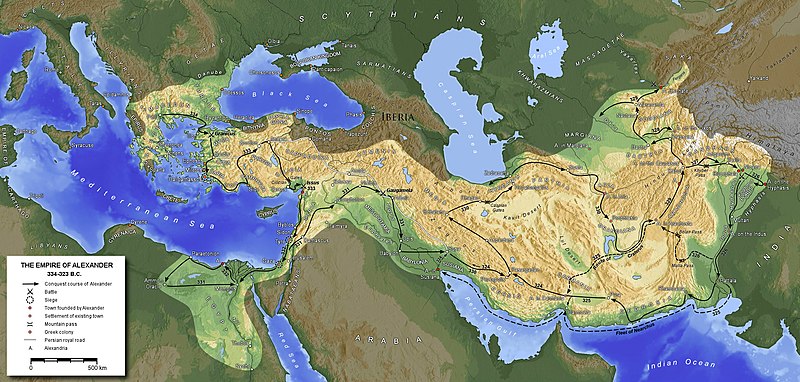
The "mighty king" of Greece (11:3) is Alexander the Great (2:32, 39b; 7:6; 8:5-8). He conquered Asia Minor, Syria, Egypt, and all the land in the Medo-Persian Empire between 334 and 330 B.C. (busy guy). The map below shows his path:

File:<span class=
(www.wikipedia.org)
(Bible Knowledge Commentary: Old Testament, p. 1367) 

No wonder he died at the age of 32! I'm tired just looking at that map.

After Alexander's death, his kingdom was divided between four generals: Seleucus, Ptolemy, Lysimachus (over Thrace and portions of Asia Minor), and Cassander (over Macedonia and Greece). These are the four heads of the leopard mentioned in 7:6 and the four prominent horns on the goat mentioned in 8:8.

The conflict between the Ptolemies and Seleucids is the main thrust of Daniel 11:5-35 (see chart). 

Israel, the "Beautiful Land," was invaded first by one power and then the other. Antiochus IV would even desecrate the temple and stop the daily sacrifices of the Jews. He sacrificed pigs on the altar erected in honor of Zeus on December 16,167 B.C. This would have been a huge insult since pigs were considered unclean by the Jews. This set up the "abomination of desolation" (11:31).

This desecration led to the revolt of the Maccabees (perhaps these are the "people who know their God" in 11:32) and is the historical background behind the celebration of Hanukkah (from the Hebrew word "to dedicate") which marks the rededication of the temple and the "miracle of the container of oil." Jewish tradition says that there was only enough oil to keep the eternal flame in the temple burning for one day, but it burned for the eight days it takes to crush olives to make new oil.

What is so amazing about Daniel 11:1-35 is that this was all predicted, and it all came to pass!

Daniel 11:36-12:3 becomes dicier. Some scholars believe Daniel 11:36-45 describe Antiochus IV Epiphanes or Titus (the Roman general). Others believe that Antiochus IV was a foreshadowing of a king who will come (the little "horn" of 7:8 and "the ruler" of 9:26) as the final ruler of the Roman world. He will rise to power through satanic means and is described in Revelation 13:1-8 where he is called a "beast." He will gain authority by consent of the 10 kings who will submit to him and give him political and religious power (Revelation 17:12-13), and the world will be persuaded to worship him as a god by the miracles the false prophet will perform in his name (Revelation 13:11-15). 

Many believe that the "abomination" mentioned in 12:11 is not only the desecration of the temple by Antiochus IV Epiphanes but also the horrible acts of evil fulfilled by the Antichrist (Matthew 24:15). There is much speculation about the numbers in Daniel 12:11-12, but the main point is that God is in control of all events, and the time of persecution has an end and "many will be purified, made spotless and refined" and eventually the "wise will understand" (12:10). We can certainly "go our way" just as Daniel was instructed to do when he did not understand the exact meaning of the times and events (12:8-9).

There is much more from this book to come as we study the New Testament. The book of Daniel is quoted or alluded to seventy-one times in sixteen New Testament books, most of them in the book of Revelation. Let's wait until we get to the end of the book (and after Matthew 23:37-24:31) to tie this all together. It is helpful to understand the whole "Book of Truth" (10:21) first!

REFLECTION

Whew! Prophecy is tough for me. I am fine with the prophecies that have already been fulfilled because they point to the omniscient (all-knowing) God who knows the end from the beginning and has a plan much larger than we can even comprehend (2:22), but it gets tough when you do not know if they have been fulfilled or not; and we, in our puny human understanding, start filling in the blanks.

In our reading and study of Daniel, it is not so much about how settled your End Times theology is in your mind as it is about how settled God is in your heart. It is about the wisdom, understanding, and insight (5:12, 12:3) that come because of His position there. Moreover, it is more about encounter with the living God over just insight about Him. In that, we can learn so much from Daniel's life and example.

The book of Daniel is about the Kingdom of God that will endure forever (2:44; 4:34, 35) where God will receive all our worship, glory, praise, and exultation as God of all gods, Lord of kings, and a revealer of mysteries (2:47). It is about a remnant of God-fearing wise men of Babylon called Magi (2:48) who knew the prophecy of Daniel and followed a star to worship at the tiny feet of a baby born in Bethlehem. This is the part that had me in tears this morning: Daniel's example led Gentiles to the Messiah hundreds of years later!
And those who have insight will shine brightly like the brightness of the expanse of heaven and those who lead the many to righteousness, like the stars forever and ever. (Daniel 12:3)
APPLICATION

Reflect on and journal about what you have learned from your study of Daniel.

Can you "Dare to be a Daniel"?

If you are reading according to the Bible Book Club schedule, Hanukkah is right around the corner. 

The first candle of the menorah is lit at nightfall on the first date listed above. When our "Celebrate the Feasts" group did this in the early 90s, we had different people take on the characters in the story. It was great fun and would have been perfect to do with children (I was the only one with a baby at the time). Years later, I made paper puppets for my kids to tell them the story of the "miracle of the container of oil" that brought light for so many nights! It is perfect to celebrate right before we celebrate the birth of Christ, the Light of the World, and I heartily recommend celebrating it! 
PRAYER

You are the Most High God who is sovereign over the kingdoms of men. We honor and glorify You who lives forever. Your dominion is an eternal dominion. Your kingdom endures from generation to generation. All the peoples of the earth will come and worship at Your feet. We adore You Most High God. Amen.


CHARACTERISTICS OF DANIEL 
He lived up to his name
Daniel means “God is my judge.” Daniel lived his life before the all-seeing eyes of the Lord and did the things that pleased Him. He didn’t worry about what the king thought of him or his interpretations; he simply delivered the message God gave him and left the results with the Lord. What difference did it make that the other counselors despised him and tried to have him killed? His life and reputation were in the hands of the Lord, and the will of the Lord was always best. Is it any wonder that the Lord greatly loved Daniel?
D.L. Moody often preached on Daniel, and here’s an excerpt from the message:
Daniel thought more of his principles than he did of earthly honor or the esteem of men. Right was right with him. He was going to do right today and let the morrows take care of themselves. That firmness of purpose, in the strength of God, was the secret of his success.1
One of Mr. Moody’s associates, musician Philip P. Bliss, expressed this truth in a song that’s not used much today, but the message is certainly needed. The chorus says:
Dare to be a Daniel!
Dare to stand alone!
Dare to have a purpose firm! 
Dare to make it known!
Be resolute! (Wiersbe, W. W. Be Resolute, p.156). Colorado Springs, Colo.: Victor.
1D.L. Moody, Bible Characters, p. 9.