Showing posts with label Haggai. Show all posts

Saturday, November 10, 2012

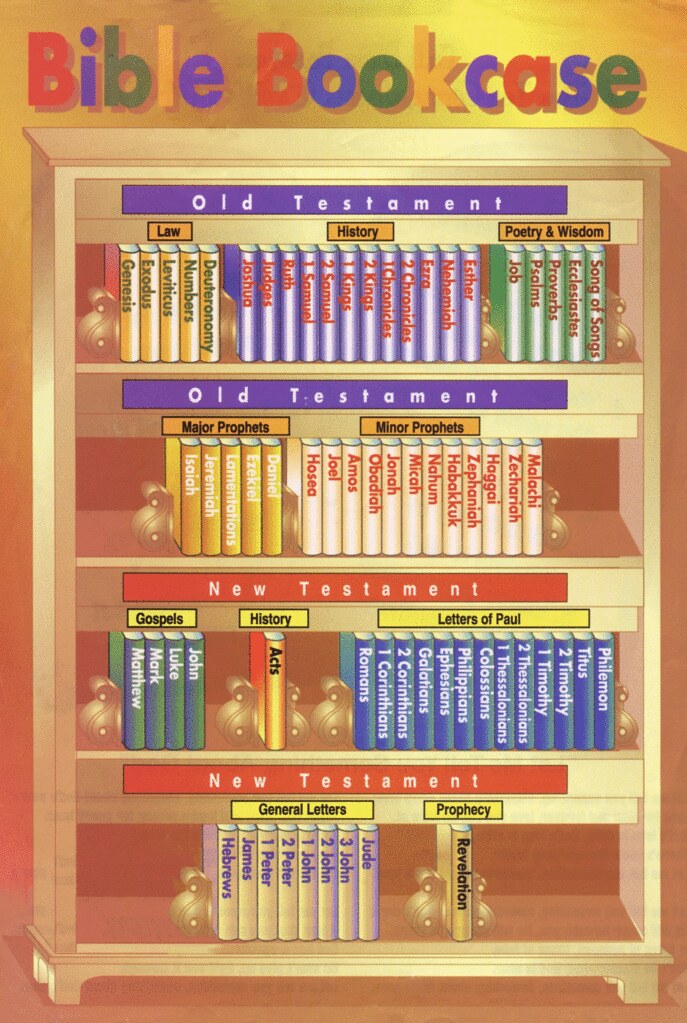
Put Haggai Back on the Old Testament Prophets Shelf

Haggai - Complete the Building!

LINK: Haggai

If you have not already done so, please read the "Introduction to the Prophetical Books." 

BACKGROUND 


Haggai, Zechariah, and Malachi are called the "postexilic prophets" because they prophesied to the exiles who returned to Jerusalem after the Babylonian captivity (586 B.C.). Yesterday, we learned that the work on the rebuilding of the temple was stopped in 530 B.C.  If you are reading this book separately from our semi-chronological study, read the post for Ezra 4 HERE.  


Here is a review of where Haggai fits in historically:

        Ezra 4:1-5 (Cyrus, 559-530) (Reigns of Cambyses [530-522] and Smerdis [522])
Haggai (Darius I, 521-486)
Zechariah 1:1-8:23
Ezra 4:24-6:22
Zechariah 9:1-14:21
Esther (Xerxes/Ahasuerus, 485-465)
Ezra 4:6-23 (Xerxes/Ahasuerus - Artaxerxes, 464-424)
Ezra 7:1-10:44 (Artaxerxes)

During this 10-year hiatus, the people were busy building their own homes and careers. In 520 B.C., Haggai exhorted the people to get their priorities in order and called them to rebuild the temple. Temple work resumed that year just 23 days after Haggai's first message.  If only all the other prophets had gotten that quick of a response!


The book is a series of four messages:


  1. Call to rebuild the temple: August 520 (1:1-15) 
  2. Promise of the future glory of the temple: October 520 (2:1-9) 
  3. Blessings for a defiled people: December 520 (2:10-19) 
  4. Promise to a Servant: December 18, 520 (2:20-23) 
The Scarlet Thread of Redemption

The fourth message was addressed to Zerubbabel, the leader of the work (see post for Ezra 4 HERE). He prophesied of the overthrow of Gentile kingdoms much like Daniel 2 prophesies of a worldwide messianic kingdom that would reign (Daniel 2:34-35, 44-45).  Zerubbabel is compared to a "signet ring" which was a seal of royal authority pressed in soft wax on written documents. God was reaffirming and guaranteeing his promise of the Messiah, Jesus, through David's line. Zerubbabel is in the genealogy of Jesus in Matthew 1:12.


REFLECTION 


The people were not living by God's priorities, ignoring His work, and doing their own thing by building up their own homes and lives. Sounds quite a bit like the Church today! 


I read the book of Haggai as I was working at a used homeschool curriculum sale and overheard the talk of a group of five middle-schoolers.  I was so sad to hear what they valued and sought after. They are still in process, but their priorities are not lined up with God's yet. I pray that they will be soon!  


Last fall, I read a sweet book by Billy Graham called Nearing Home. They are the reflections of a man nearing the end of his journey here on earth, and he gives wisdom and insight from Haggai: 


NEARING HOME WITH GOD'S STRENGTH 
True joy is derived from depending on the Lord Jesus. He is the One who supplies our strength in weakness, for when we are weak, He is strong (2 Corinthians 12:10). While it is important to put our own house in order, we must not forget to make the things of God the center of our thinking and doing. This was certainly the state of mind for the prophet Haggai, who wrote the second shortest book in the Old Testament at the approximate age of seventy. Haggai was stirred up by the Lord to rebuild the Temple in Jerusalem following the Babylonian captivity. In turn, he stirred up God's people by rebuking them for allowing the house of God to remain in ruins in their homeland: "Give careful thought to your ways . . . You expected much, but see, it turned out to be little . . . Why? . . . Because of my house, which remains a ruin, while each of you is busy with your own house" (Haggai 1:7-9). 
What stirs me about this two-chapter book is Haggai's rebuke along with his encouragement. Haggai mobilized God's people to take care of God's business and build up His house by giving them hope: "Be strong . . . For I am with you" (Haggai 2:4). 
We may be successful in putting our personal affairs in place, but if we do it at the sacrifice of the more important -- putting our spiritual affairs in order -- we miss the joy and purpose of life. The Bible says, "A wise man is strong, yes, a man of knowledge increases strength" (Proverbs 24:5 NKJV). Strength is found in the wisdom of God, and that is at our disposal whether young or old. 
Are you concerned only about taking care of business in a world that holds you captive? Or are you setting Christ at the center of your life with the assurance that you will abide with Him for eternity -- the place where hope becomes reality? Your strength may fade, but He is the One who will lift you up and help you stand strong in your weakness. When your faith begins to fade, ask the Lord to stir it up by considering all He has done for you, and be strong, for "My Spirit remains among you; do not fear" (Haggai 2:5 NKJV). (Nearing Home, p. 91-92) 
Jesus said, "Seek first the kingdom of God and His righteousness, and all these things will be added to you" (Matthew 6:33). There are blessings with the right priorities.

"Aligning your goals with God's goals 
is the path to spiritual success." 
(The Daily Walk, May 2, 2008, p. 7)  

How are your goals lining up? 

APPLICATION 

The spiritual classic "Tyranny of the Urgent" by Charles E. Hummel was one of the first "pamphlets" I read as a very young believer. It will help you examine your priorities according to God's priorities!


PRAYER

This prayer from the Spiritual Exercises of Ignatius sums up much of what it means to align our goals with God's goals:

Take, Lord, and receive all my liberty, my memory, my understanding, and my entire will, all that I have and possess. You have given all to me. To You, O Lord, I return it. All is Yours, dispose of it wholly according to Your will. Give me Your love and Your grace, for this is sufficient for me. (SE 234) *


This prayer is known as the Suscipe, which means “receive” in Latin and is pronounced, "soos-chi-pay.” It is part of the "Fourth Week" of the Spiritual Exercises of Ignatius. See here and scroll down the page to learn more about the Exercises.


Lord, there is such great blessing in living our life according to Your plan. Help us to submit to Your plan with JOY! Amen. 

Sunday, April 15, 2012

Introduction to the Prophetical Books

INTRODUCTION TO THE PROPHETICAL BOOKS


The Bible is not written in chronological order but according to the type of book:

Books of Moses (Law or Pentateuch): Genesis - Deuteronomy 

History: Joshua - Esther
Poetry and Wisdom Literature: Job - Song of Solomon
Major Prophets: Isaiah - Daniel
Minor Prophets: Hosea - Malachi


I find it easier to understand prophecy when it is read in the context of the historical period. So, that is why we are interspersing the prophets in the historical context of 2 Kings and 2 Chronicles. 

I will not be doing a strictly chronological approach because I do not want to jump back and forth once we start a prophetic book. So, when we get to a book like Isaiah, that covers the reign of four kings of Judah spanning six decades, we will read through all of those kings in 2 Kings and 2 Chronicles before we study the entire book of Isaiah.

The prophetical books are broken up into two sections: 5 Major Prophets (Isaiah - Daniel) and 12 Minor Prophets (Hosea - Malachi). We will read them in chronological order. That way we will get breaks between the longer major prophets of Isaiah, Jeremiah, and Ezekiel with the shorter Minor Prophets. Here is a brief rundown of the order of the historical dates for each prophet with the Major Prophets highlighted in bold. They are all B.C.:

841-824.....Obadiah (this date is hotly debated!)

825-809....Joel

784-772.....Jonah 

767-755.....Amos 

755-714.....Hosea 

-----722 Assyrian Captivity of Northern Kingdom of Israel

739-681.....Isaiah 

733-701.....Micah 

650-620....Nahum 

636-623....Zephaniah 

627-574.....Jeremiah 

574-538.....Lamentations 

621-609.....Habakkuk 

605-586 Babylonian Captivity of Southern Kingdom of Judah

605-536.....Daniel 

593-559.....Ezekiel 

------538 Cyrus of Persian issues edict allowing Jews to RETURN to land

520-505.....Haggai 

520-489.....Zechariah 

435-415.....Malachi 

Theologically, the prophets concentrate on warnings of impending judgment, teachings about righteous living, encouragement to the faithful and oppressed, and predictions of God's future plans.
                                                                                         
I am approaching the prophets with fear and trembling! :)  I hope that you are game and that breaking up the longer books of the Major Prophets with the shorter books of the Minor Prophets will make it easier! I believe God has so much to teach us through the study of these books.

I LOVE what Eugene Peterson says about the prophets:
Over a period of several hundred years the Hebrew people gave birth to an extraordinary number of prophets – men and women distinguished by the power and skill with which they presented the reality of God. They delivered God’s commands and promises and living presence to communities and nations who had been living on god-fantasies and god-lies. 
Everyone more or less believes in God. But most of us do our best to keep God on the margins of our lives or failing that, refashion God to suit our convenience. Prophets insist that God is the sovereign center [emphasis mine] not off in the wings awaiting our beck and call. And prophets insist that we deal with God as God reveals himself, not as we imagine him to be [Isn't that powerful? Ponder that for a moment].  
These men and women woke people up to the sovereign presence of God in their lives. They yelled, they wept, they rebuked, they soothed, they challenged, they comforted. They used words with power and imagination whether blunt or subtle. . .  
Prophets make it impossible to evade God or make detours around God. Prophets insist on receiving God in ever nook and cranny of life. For a prophet, God is more real than the next-door neighbor.  (The Message Remix, p. 1194, 1197)
With fear and trembling, let us start the prophets in the next post!

Monday, November 30, 2009

Haggai - Consider Your Ways! Get up and Build!

by Katrina

LINK: Haggai

BACKGROUND
Haggai was the first prophet sent from God after the Babylonian exile. His place in history is the same time period as Zechariah, Malachi, Nehemiah and Esther. But this little book covers only a space of four months. The messages are short and to the point. I like this guy! :)

Haggai's first message was given on August 29, 520 B.C. during the reign of Darius I. God sent Haggai to Zerubbabel, who had been appointed governor of the province of Judah in the Persian Empire, and to Joshua, the high priest. At this time, many Jews had returned from Babylon to Israel, they had resumed celebrating the feasts, and had laid the foundation for the new temple. But work on the temple had stopped because of opposition from hostile neighbors and because of apathy on the part of the Jews. God sent Haggai with a message to rebuke the people for their indifference about the temple and to get them working on building it again.

The people had built their own houses and had them nicely finished, but they had not finished God's house. God let them know that He was withholding blessing from them as long as they weren't working in completing the temple.

The people listened! They obeyed! And they showed reverence for the Lord! God stirred in the hearts of Zerubbabel, Joshua, and all the remnant who were there, so that they came together to work on the temple.

As they rebuilt, there were some over the age of 75 who remembered the previous temple and all its glory. Solomon's temple was larger and more beautiful, with much more gold and elaborate craftsmanship in it. They were disappointed in the smaller, plainer version. But God encouraged them all to continue working. God Himself would be present with them, and He owned all the silver and gold in the world. One day, God promised, there would be an even more glorious temple than Solomon's.

Then God addressed two questions the people had. (1) When something holy touches something unholy, does it make the unholy item become holy? The answer is "No." And (2) When an unclean person touches anything holy, does it make the holy item unclean? The answer is "Yes." Cleanness cannot be transferred, but defilement can.

The final message God sent through Haggai was that one day He will "shake the heavens and the earth." God will overthrow all earthly rule and all earthly armies. But He honored Zerubbabel as one He had chosen to rule at that time in history.

REFLECTION
"Consider your ways! Go . . . that I may be pleased with it and be glorified," says the LORD. (1:7-8)

What is clean cannot transfer its cleanness that that which is unclean, but what is unclean contaminates that which is clean. (2:12-13)

APPLICATION
Let's consider our own ways. Consider your way of life. Is God pleased with it? Does your life glorify Him? Are you allowing the world to contaminate you? You can not impart your sanctification to those in the world by being a part of the world. It will only make you unclean instead.

PRAYER
Lord, make us holy, set apart for your service. Help us to examine our lives in light of your word and what  you expect of us. Help us to throw off those things that distract us from serving you whole-heartedly. Teach us to keep ourselves unstained by the world so we can be a light to the world. In the name of Jesus, amen.