- 2 Kings 4
- 2 Kings 5
- 2 Kings 6 & 7
- 2 Kings 8
- 2 Chron. 21
- 2 Kings 9
- 2 Kings 10
- 2 Kings 11
- 2 Chron. 22
- 2 Chron. 23
- 2 Kings 12
- 2 Chron. 24
- Joash Character Study
- 2 Kings 13
- Obadiah 1
- Joel 1 – 2:17
- Joel 2:18 – 3:21
- 2 Kings 14
- 2 Chron. 25
- 2 Kings 15
- 2 Chron. 26 & 27
- Jonah 1 & 2
- Jonah 3 & 4
- Amos 1
- Amos 2
- Amos 3 & 4
- Amos 5
- Amos 6
- Amos 7 & 8
- Amos 9
Showing posts with label Amos. Show all posts
Showing posts with label Amos. Show all posts
Wednesday, March 24, 2021
April in 2 Chronicles & 2 Kings with Obadiah, Joel, Jonah, and Amos


Saturday, April 28, 2012
Amos 7-9: A Series of Visions and Time Is Up
LINK: Amos 7-9 (Read over the next two days)
BACKGROUND
The prophecies of Amos occurred from 767-755 B.C. during the reigns of Jeroboam II, King of Israel, and Uzziah (Azariah), King of Judah. His prophecy was primarily to Israel, and the king of Israel and his priest, Amaziah, did not like what he had to say!
Amos, the shepherd and fruit picker, saw a series of visions of locusts (7:1-3), fire (7:4-6), a wall and a plumb line (7:7-9), a basket of ripe fruit (8:1ff), and God standing by the altar (9:1ff).
In the first two visions, Amos's intercession causes God to relent from His punishment. Prayer is important!
In the third vision, Amos sees a wall and a plumb line. A plumb line is a cord with a lead weight at the end. It is used to make sure that a wall is straight because a wall that is not straight will eventually collapse. The nation of Israel had been built "true to plumb," but it was now "out of plumb" because they were no longer in line with the plumb line of God's Law. In this situation, the nation had gone too far, and there was no hope. Amos did not intercede. He faithfully proclaimed the Word of the Lord to Amaziah, and Amaziah and Jeroboam II refused to listen. The result would be the Assyrian captivity and exile.
In the fourth vision, Amos sees a basket of ripe fruit. Israel was ripe for judgment because they had broken God's Law and did not live by His covenant. His longsuffering had run out because they did not love God, and they did not love their neighbors (Matthew 22:36-40). Four pictures (earthquake, darkness, funeral, and famine) describe the terror of this judgment. The last picture is interesting in that it would not only be a famine of literal food but also of spiritual nourishment in the deprivation of hearing the Word of the Lord to give comfort and direction in their time of crisis, only silence.
The final vision of Amos involves the Lord standing by the altar. This center of worship would be the scene of judgment for all 12 tribes. Yet, God would not "totally destroy" the house of Jacob (9:8). The nation would be purified, but God would restore "David's fallen tent" because of God's covenant with David that one of his descendants would sit on his throne (2 Samuel 7:12-16, 25-29).
The Scarlet Thread of Redemption
That promised descendant will be fulfilled by the Messiah, Jesus, who will establish His rule forever. He will rule in the Messianic kingdom and will include both Jews and Gentiles (the "remnant of Edom" in Amos 9:12). He will bring light, justice, and full knowledge of the LORD to all nations on the earth (Isaiah 9:1-7; 11:1-13; 42:1-7; 45:22-25; 49:5-7; 55:1-5). It should be noted that at the Jerusalem Council, James cited Amos 9:11-12 as proof that the Gentiles did not need to be circumcised and live as Jews to be saved (Acts 15:1-20). They would have full rights in God's coming kingdom!
Amos concludes his prophecy with hope. Israel would be planted, protected, and restored to their land!
REFLECTION and APPLICATION
Two things stand out to me in these chapters: the plumb line and the obedience of Amos.
Our plumb line is God's Word. How do you measure up to it? Is your wall a little crooked these days? Are you "out of plumb"? I really believe there is a "famine" with the Word of God lately, especially with younger people. I am praying that changes and one of the reasons I am so passionate about this Bible Book Club! I want people to feast on God's Word so they can have straight plumb lines!
Amos was just a shepherd and tender of sycamore trees with no special preparation, education, or pedigree. Despite his lack of "qualifications," God had big plans for him. This ordinary man became extraordinary just because he listened and obeyed God's calling on his life. Are you obeying God's call on your life, or do you think you do not have the right qualifications?
PRAYER
Lord, thank You for the plumb line of Your Word. Help us to be in "plumb" with You. Also, help us to obey Your calling on our lives no matter how disqualified we may be in the world's eyes. We ask it in the strong name of Jesus. Amen.
BACKGROUND
The prophecies of Amos occurred from 767-755 B.C. during the reigns of Jeroboam II, King of Israel, and Uzziah (Azariah), King of Judah. His prophecy was primarily to Israel, and the king of Israel and his priest, Amaziah, did not like what he had to say!
Amos, the shepherd and fruit picker, saw a series of visions of locusts (7:1-3), fire (7:4-6), a wall and a plumb line (7:7-9), a basket of ripe fruit (8:1ff), and God standing by the altar (9:1ff).
In the first two visions, Amos's intercession causes God to relent from His punishment. Prayer is important!
In the third vision, Amos sees a wall and a plumb line. A plumb line is a cord with a lead weight at the end. It is used to make sure that a wall is straight because a wall that is not straight will eventually collapse. The nation of Israel had been built "true to plumb," but it was now "out of plumb" because they were no longer in line with the plumb line of God's Law. In this situation, the nation had gone too far, and there was no hope. Amos did not intercede. He faithfully proclaimed the Word of the Lord to Amaziah, and Amaziah and Jeroboam II refused to listen. The result would be the Assyrian captivity and exile.
In the fourth vision, Amos sees a basket of ripe fruit. Israel was ripe for judgment because they had broken God's Law and did not live by His covenant. His longsuffering had run out because they did not love God, and they did not love their neighbors (Matthew 22:36-40). Four pictures (earthquake, darkness, funeral, and famine) describe the terror of this judgment. The last picture is interesting in that it would not only be a famine of literal food but also of spiritual nourishment in the deprivation of hearing the Word of the Lord to give comfort and direction in their time of crisis, only silence.
The final vision of Amos involves the Lord standing by the altar. This center of worship would be the scene of judgment for all 12 tribes. Yet, God would not "totally destroy" the house of Jacob (9:8). The nation would be purified, but God would restore "David's fallen tent" because of God's covenant with David that one of his descendants would sit on his throne (2 Samuel 7:12-16, 25-29).
The Scarlet Thread of Redemption
That promised descendant will be fulfilled by the Messiah, Jesus, who will establish His rule forever. He will rule in the Messianic kingdom and will include both Jews and Gentiles (the "remnant of Edom" in Amos 9:12). He will bring light, justice, and full knowledge of the LORD to all nations on the earth (Isaiah 9:1-7; 11:1-13; 42:1-7; 45:22-25; 49:5-7; 55:1-5). It should be noted that at the Jerusalem Council, James cited Amos 9:11-12 as proof that the Gentiles did not need to be circumcised and live as Jews to be saved (Acts 15:1-20). They would have full rights in God's coming kingdom!
Amos concludes his prophecy with hope. Israel would be planted, protected, and restored to their land!
REFLECTION and APPLICATION
Two things stand out to me in these chapters: the plumb line and the obedience of Amos.
Our plumb line is God's Word. How do you measure up to it? Is your wall a little crooked these days? Are you "out of plumb"? I really believe there is a "famine" with the Word of God lately, especially with younger people. I am praying that changes and one of the reasons I am so passionate about this Bible Book Club! I want people to feast on God's Word so they can have straight plumb lines!
Amos was just a shepherd and tender of sycamore trees with no special preparation, education, or pedigree. Despite his lack of "qualifications," God had big plans for him. This ordinary man became extraordinary just because he listened and obeyed God's calling on his life. Are you obeying God's call on your life, or do you think you do not have the right qualifications?
PRAYER
Lord, thank You for the plumb line of Your Word. Help us to be in "plumb" with You. Also, help us to obey Your calling on our lives no matter how disqualified we may be in the world's eyes. We ask it in the strong name of Jesus. Amen.
Friday, April 27, 2012
Amos 6 - Are You Living for Pleasure or Glory?
LINK: Amos 6
BACKGROUND
As promised, I wanted to touch on the "day of the LORD" mentioned in Amos 5:18,20.
The "day of the LORD" is a common phrase used in the Old Testament. When reading the Old Testament in chronological order, it is first used in the book of Joel (2:1,11,31; 3:14). You will see it quite a bit as we read the prophets. You might want to underline it in your Bible.
Here is an explanation of this key phrase from the Life Application Bible:
As a result, they would face three judgments:
REFLECTION
The New Oxford American Dictionary defines complacency as "a feeling of smug or uncritical satisfaction with oneself or one's achievements." In Hebrew, it means "at ease, careless, wanton, arrogant, prideful" (Enhanced Strong's Lexicon).
It causes me to ask myself if I am putting any of my security in something other than the Lord. Is it in my bank account, 401K, nice home, or even my peaceful existence here in comfortable America? Is my security the American Dream? Am I living for my own personal pleasure rather than the glory of God?
Over the last few days, we had a couple staying with us who uprooted their family from the secure soils of America to live in Kurdistan, Iraq to help the people there get on their feet after the terrors of Saddam Hussein and the first Gulf War. His wife said, "It was one of the best places in the world to raise a family." They made friends and contributed greatly to the restoration of that society!
What a great example of people who gave up personal pleasure for the glory of God!
APPLICATION
Ask yourself some of the questions in the reflection above and dialogue with God about it.
PRAYER
Lord, teach us not to be smug and prideful and to live only for Your glory. We ask this in Jesus' name. Amen.
BACKGROUND
As promised, I wanted to touch on the "day of the LORD" mentioned in Amos 5:18,20.
The "day of the LORD" is a common phrase used in the Old Testament. When reading the Old Testament in chronological order, it is first used in the book of Joel (2:1,11,31; 3:14). You will see it quite a bit as we read the prophets. You might want to underline it in your Bible.
Here is an explanation of this key phrase from the Life Application Bible:
It always refers to some extraordinary happening, whether a present event (like a locust plague), an event in the near future (like the destruction of Jerusalem or defeat of enemy nations) or the final period of history when God will defeat all forces of evil.Amos 6 begins with a "woe." When it was pronounced for the living, "woe" was a "prediction of death (cf. Amos 5:18; 6:1, Isaiah 5:8-24; 10:1-4; Micah 2:1-5 . . .) . . . or an interjection of distress in the face of present or coming calamity" (The Bible Knowledge Commentary: Old Testament: Volume 1, p. 1441). It was leveled against both Israel ("Samaria") and Judah ("Zion") in that they were complacent ("at ease" and "feel secure"). They were living in prosperity, and peace, and had military strength. Consequently, they had become proud. They were living for pleasure rather than the glory of God.
Even when the day of the Lord refers to a present event, it also foreshadows the final day of the Lord. This final event of history has two aspects to it: (1) the last judgment on all evil and sin and (2) the final reward for faithful believers. Righteousness and truth will prevail, but not before much suffering (Zechariah 14:1-3). If you trust the Lord, looking toward this final day should give you hope, because then all who are faithful will be united forever with God. (p. 1529)
As a result, they would face three judgments:
1) Death (9-10)Not a pretty outlook, is it?
2) Destruction (11-13)
3) Disgrace and defeat (14)
REFLECTION
The New Oxford American Dictionary defines complacency as "a feeling of smug or uncritical satisfaction with oneself or one's achievements." In Hebrew, it means "at ease, careless, wanton, arrogant, prideful" (Enhanced Strong's Lexicon).
It causes me to ask myself if I am putting any of my security in something other than the Lord. Is it in my bank account, 401K, nice home, or even my peaceful existence here in comfortable America? Is my security the American Dream? Am I living for my own personal pleasure rather than the glory of God?
Over the last few days, we had a couple staying with us who uprooted their family from the secure soils of America to live in Kurdistan, Iraq to help the people there get on their feet after the terrors of Saddam Hussein and the first Gulf War. His wife said, "It was one of the best places in the world to raise a family." They made friends and contributed greatly to the restoration of that society!
What a great example of people who gave up personal pleasure for the glory of God!
APPLICATION
Ask yourself some of the questions in the reflection above and dialogue with God about it.
PRAYER
Lord, teach us not to be smug and prideful and to live only for Your glory. We ask this in Jesus' name. Amen.
Thursday, April 26, 2012
Amos 5 - Seek Good, Not Evil
LINK: Amos 5
BACKGROUND
The gist of Amos 5 is that the nation of Israel would be judged by God for its legal injustice and religious hypocrisy, but individual people could repent, seek Him, and live.
Even though Israel was at the pinnacle of prosperity under Jeroboam II, Amos speaks a sad lament/dirge (song of grief) over them.
The key verse in this chapter is found in 5:14:
Amos 5 also talks about the day of the Lord, but I will talk about that tomorrow. I do not want to take away from today's application because I think it is ultra-important to ponder!
APPLICATION
Are you seeking good?
One of the charges against Israel was that they were not helping the poor and needy (5:12). What are you doing to help those in need? Could you volunteer to work with a community group that fights poverty in your area?
A super program in the Corvallis is the Southside Youth Outreach
 Our family has been blessed to help out with their Tuesday Club by cooking and serving the meal for kids! It is a “blessed blast.” This is a picture of my husband and Paul, my youngest, flipping sandwiches.
There are also opportunities to help with tutoring kids at the Southside Youth Outreach.

PRAYER
Lord, help us always to seek God and not evil all the days of our life. We ask this in Jesus’ name. Amen.
BACKGROUND
The gist of Amos 5 is that the nation of Israel would be judged by God for its legal injustice and religious hypocrisy, but individual people could repent, seek Him, and live.
Even though Israel was at the pinnacle of prosperity under Jeroboam II, Amos speaks a sad lament/dirge (song of grief) over them.
The key verse in this chapter is found in 5:14:
“Seek good, not evil, that you may live."
Amos 5 also talks about the day of the Lord, but I will talk about that tomorrow. I do not want to take away from today's application because I think it is ultra-important to ponder!
APPLICATION
Are you seeking good?
One of the charges against Israel was that they were not helping the poor and needy (5:12). What are you doing to help those in need? Could you volunteer to work with a community group that fights poverty in your area?
A super program in the Corvallis is the Southside Youth Outreach
 Our family has been blessed to help out with their Tuesday Club by cooking and serving the meal for kids! It is a “blessed blast.” This is a picture of my husband and Paul, my youngest, flipping sandwiches.
There are also opportunities to help with tutoring kids at the Southside Youth Outreach.
2023 Update: We did this until 2018 when they changed the dinner outreach and no longer needed volunteers. Check their page for the latest volunteer needs.
Often, as my kids got older and they were working, they would still try to come and volunteer. My oldest would even commute from out of town to come. That is how much they loved doing this with our family. When we our kids could not come, we recruited our friends and their children. I think this is a picture of our last time volunteering:

Every May, there is a repacking party at Linn-Benton Food Share for the Postal Carriers Food Drive. This is a national program, and if you are not in my area, I am sure there is a way you can help in your own area: http://www.nalc.org/commun/foodrive/. See pictures HERE.
Also, there was a monthly Open House Repack on the last Thursday of every month from 6-8 pm at the Linn Benton Food Share Warehouse in Tangent, but that might not happen anymore since COVID. You can check their webpage for volunteer opportunities From their Facebook page several years ago:
It is amazing what a group of like-minded people can accomplish in two hours. Over 2,000 pounds of bulk flour was repacked into family-size portions in less than two hours.
Another thing we did every Christmas was helping them with their annual donation appeal mailer. We did it for about 10 years, and it was always fun and festive, but they outsourced the job to a mailing company.
 |
| Christmas 2007 - I would always bring Christmas music, and they provided the pizza and treats! |
If you are not in this area, why not take some time to look for something you might be able to do for those in need!
PRAYER
Lord, help us always to seek God and not evil all the days of our life. We ask this in Jesus’ name. Amen.
Wednesday, April 25, 2012
Amos 3 & 4 - “Yet you have not returned to Me”
LINK: Amos 3 & 4
BACKGROUND
Israel’s judgment was inevitable because they had oppressed people. God had chosen (from the Hebrew word yada’, literally, “to know”) them out of all the families of the earth. Since He had chosen them, revealed Himself to them, and blessed them, they should have wanted to know Him and please Him, but they did not. Through a series of seven rhetorical questions indicating that inevitably one event will follow another, Amos revealed that judgment would surely come, and there would be no turning back.
It was not as if God had not warned Israel, but they had not listened. Throughout Israel’s history, God had warned them through the prophets. If you are going through the Bible Book Club from the beginning, you have been reading 1 and 2 Kings where prophets like Ahijah, Elijah, Elisha, and anonymous prophets predicted the rise and fall of dynasties. The Lord always revealed his major plans in advance.
God had continually attempted to discipline the nation through famine, drought, mildew, locusts, plagues, military defeat, and devastation (see a similar pattern of chastening in Leviticus 26, Deuteronomy 28-29, and 1 Kings 8), but nothing had turned them from their course of economic exploitation (by husbands responding to their “fat cow” wives demanding more drink), religious hypocrisy, and refusal to repent. Five times God declared through Amos:
Thus prompting Amos to declare the judgment of the LORD God of hosts:
REFLECTION
Israel was NOT listening to God through the prophet Amos; a pattern we will see repeated over and over again as we study the prophets. It is easy to cast judgment upon them, but are we any different? We go along on our own way with our busy lives and give God only a small portion of it, but we do not give him ALL of it.
The Hebrew word for “return” is šûb. It is the twelfth most frequently used verb in the Old Testament and is used over 1050 times. It appears most often in the prophecies of Jeremiah (111 times). The Bible is rich with idioms for the process of repentance (see Joshua 24:23, Jeremiah 4:4,14; Hosea 10:12), but this word sums up what repentance really means: to turn from evil and to turn to the good.
I think God is constantly trying to get our attention to keep us on His path straight to His goodness, but we often just go our own way. We can make many tiny little decisions to “seek good, not evil" (Amos 5:14) every single day of our lives. These little choices create a destiny.
Are you listening when He asks you to return to Him?
APPLICATION
Set aside some time to listen to God today. Slow down and REALLY listen. Ask Him to search your heart and reveal any areas of unconfessed sin (I am posting a link to a prayer guide from a previous post in the prayer section below.). I think we may be surprised at what He brings up when we take the time to stop and really listen.
Remember that in the confession of sin, you are not only turning away from evil, but you are also turning to the good!
After confession, keep on listening. He may have something to tell you to say or do. After you hear Him, write it down. We are so prone to forget. I have my best listening times in the shower. I used to always forget what He told me by the time I was dried off. Now, I have a tub crayon, and I write it on my shower wall. Sometimes, I get back in the shower the next day and see it written there, and I am reminded to do the last step of listening:
OBEY!
We all need to follow through on what He tells us to do.
PRAYER
Teach us to return to You, O God! Amen
Try reading this prayer from Face to Face: Praying the Scriptures for Intimate Worship (pp. 4-5) out loud as a verbal affirmation:
BACKGROUND
Israel’s judgment was inevitable because they had oppressed people. God had chosen (from the Hebrew word yada’, literally, “to know”) them out of all the families of the earth. Since He had chosen them, revealed Himself to them, and blessed them, they should have wanted to know Him and please Him, but they did not. Through a series of seven rhetorical questions indicating that inevitably one event will follow another, Amos revealed that judgment would surely come, and there would be no turning back.
It was not as if God had not warned Israel, but they had not listened. Throughout Israel’s history, God had warned them through the prophets. If you are going through the Bible Book Club from the beginning, you have been reading 1 and 2 Kings where prophets like Ahijah, Elijah, Elisha, and anonymous prophets predicted the rise and fall of dynasties. The Lord always revealed his major plans in advance.
God had continually attempted to discipline the nation through famine, drought, mildew, locusts, plagues, military defeat, and devastation (see a similar pattern of chastening in Leviticus 26, Deuteronomy 28-29, and 1 Kings 8), but nothing had turned them from their course of economic exploitation (by husbands responding to their “fat cow” wives demanding more drink), religious hypocrisy, and refusal to repent. Five times God declared through Amos:
“Yet you have not returned to Me.”
(4:6, 8-11)
Thus prompting Amos to declare the judgment of the LORD God of hosts:
"Prepare to meet your God, O Israel."
(4:12)
“Yoo-hoo! Carol, it’s Me, God. Are you listening?”
Israel was NOT listening to God through the prophet Amos; a pattern we will see repeated over and over again as we study the prophets. It is easy to cast judgment upon them, but are we any different? We go along on our own way with our busy lives and give God only a small portion of it, but we do not give him ALL of it.
The Hebrew word for “return” is šûb. It is the twelfth most frequently used verb in the Old Testament and is used over 1050 times. It appears most often in the prophecies of Jeremiah (111 times). The Bible is rich with idioms for the process of repentance (see Joshua 24:23, Jeremiah 4:4,14; Hosea 10:12), but this word sums up what repentance really means: to turn from evil and to turn to the good.
I think God is constantly trying to get our attention to keep us on His path straight to His goodness, but we often just go our own way. We can make many tiny little decisions to “seek good, not evil" (Amos 5:14) every single day of our lives. These little choices create a destiny.
Are you listening when He asks you to return to Him?
APPLICATION
Set aside some time to listen to God today. Slow down and REALLY listen. Ask Him to search your heart and reveal any areas of unconfessed sin (I am posting a link to a prayer guide from a previous post in the prayer section below.). I think we may be surprised at what He brings up when we take the time to stop and really listen.
Remember that in the confession of sin, you are not only turning away from evil, but you are also turning to the good!
OBEY!
We all need to follow through on what He tells us to do.
PRAYER
Teach us to return to You, O God! Amen
Try reading this prayer from Face to Face: Praying the Scriptures for Intimate Worship (pp. 4-5) out loud as a verbal affirmation:
Examination
Holy Spirit, search my heart and reveal to me any unconfessed sin you find in me:
Search me, O God, and know my heart;
Test me and know my anxious thoughts.
See if there is any offensive way in me,
And lead me in the way everlasting. (Psalm 139:23-24)
Lord, I thank you for the forgiveness you promised when you said:
Come now, let us reason together:
Though your sins are like scarlet,
They shall be as white as snow;
Though they are red as crimson,
They shall be like wool. (Isaiah 1:18)
My Identity in Christ
I rejoice, Lord Jesus, in the identity I have in You:
I have been crucified with You and it is no longer I who live, but You who live in me; and the life which I now live in the flesh I live by faith in You, the Son of God, who loved me, and delivered Yourself up for me. (Galatians 2:20)
I have forgiveness from the penalty of sin because You died for me:
But You, O God, demonstrate Your own love for us in that, while we were still sinners, Christ died for us. (Romans 5:8)
I have freedom from the power of sin because I died with You:
In You, O Christ, I was circumcised with a circumcision made without hands, in the removal of the body of the flesh by Your circumcision, having been buried with You in baptism and raised with You through faith in the working of God, who raised You from the dead. (Colossians 2:11-12)
I have fulfillment for this day because You live in me:
I eagerly expect and hope that I will in no way be ashamed, but will have sufficient courage so that now as always You, Jesus Christ, will be exalted in my body, whether by life or by death. For to me, to live in You, Jesus Christ, means everything and to die is gain. (Philippians 1:20-21)
By faith, I will allow You, O Christ, to manifest Your life through me:
Thanks be to God, who always leads us in triumph in You and through us spreads everywhere the fragrance of the knowledge of You. (2 Corinthians 2:14)I have been praying through these affirmations since 1999. They are important to seep into your soul. You can download all of the Morning Affirmations HERE. I also made an audio version of them.
Tuesday, April 24, 2012
Amos 2 - Judgement on Judah and Israel
LINK: Amos 2
BACKGROUND
God had judged the Gentile nations, but then he turned to Judah (southern kingdom) and Israel (northern kingdom) who were both under the Mosaic Covenant and without excuse for their behavior. Their sin was greater for this reason because the Gentile nations could claim ignorance. God's people could not.
Judah had turned to idols (2:4). The "fire" for Jerusalem in Judah would be the Babylonian Captivity, but God did not say they would be utterly destroyed like the Gentile nations. They would return in 70 years to their land to reestablish their nation and rebuild the temple. Stay tuned!
Then, God turned to Israel. They were enjoying great material blessing which in their theology meant God was blessing. He exposed their injustice (2:6-7), immorality (2:7), and idolatry (2:8). God reminded them of His faithfulness to them in the past (2:9-12), but He pronounced judgment for their future (2:13-16). This came with the invasion of Assyria in 720 B.C. Unlike Judah, Israel would be no more.
By the way, all of the judgments in Amos 1 and 2 say, "For three sins . . . even for four." According to The Daily Walk:
Prepare us for the future Lord. We are wholly Yours. Amen.
BACKGROUND
God had judged the Gentile nations, but then he turned to Judah (southern kingdom) and Israel (northern kingdom) who were both under the Mosaic Covenant and without excuse for their behavior. Their sin was greater for this reason because the Gentile nations could claim ignorance. God's people could not.
Judah had turned to idols (2:4). The "fire" for Jerusalem in Judah would be the Babylonian Captivity, but God did not say they would be utterly destroyed like the Gentile nations. They would return in 70 years to their land to reestablish their nation and rebuild the temple. Stay tuned!
Then, God turned to Israel. They were enjoying great material blessing which in their theology meant God was blessing. He exposed their injustice (2:6-7), immorality (2:7), and idolatry (2:8). God reminded them of His faithfulness to them in the past (2:9-12), but He pronounced judgment for their future (2:13-16). This came with the invasion of Assyria in 720 B.C. Unlike Judah, Israel would be no more.
By the way, all of the judgments in Amos 1 and 2 say, "For three sins . . . even for four." According to The Daily Walk:
Add them up and you have seven -- the complete number. In this way Amos was signifying the full and complete multiplying of sin and corruption, thereby putting the nation in line for the fullness of God's wrath. (September 8, 2008, p. 14)REFLECTION/APPLICATION
What everyday object is used in the Bible to describe the tongue, the Word of God, and angels? (Check James 3:6; Jeremiah 5:14; and Hebrews 1:7.)
Few things in life can rival the bittersweet properties of fire. With it you can warm yourself or burn yourself; cook a dinner or incinerate it; heat a house or reduce it to embers. The outcome depends on how you handle the heat.
Thirty-three of the 39 Old Testament books refer to fire. But none has a more "fiery" theme than Amos. The same God who gave fire to humankind as a blessing will one day use fire to purge rebellion from creation. Eight nations in Amos' day learned that God is serious when He declares, "I will send fire."
Tonight, build a fire in your fireplace or put candles on your dinner table. As you enjoy the warmth and light, read 1 Corinthians 3:10-15 and consider this question: "Where is there fire in the Christian's future, and what can we do today to prepare for it?" (The Daily Walk, September 8, 2008)PRAYER
Prepare us for the future Lord. We are wholly Yours. Amen.
Monday, April 23, 2012
Amos 1:1 - 2:3 - Judgment on Six Nations
LINK: Amos 1:1-2:3
Please read INTRODUCTION TO THE PROPHETICAL BOOKS if you have not already done so.
BACKGROUND
Book of Amos
Here is where Amos fits within the historical narrative of the Bible:
Amos prophesied during the reigns of Jeroboam II of Israel (793-753 B.C.) and Uzziah/Azariah of Judah (790-739 B.C.).
Amos had to convince the prosperous and peaceful northern kingdom that their end was near. They were doing well on the outside, but inside there was idolatry, injustice, immorality, greed, and oppression of the poor.
The message of God through Amos is loud and clear: "Prepare to meet your God, O Israel!"
Amos was a shepherd and keeper of fig trees from Tekoa (Remember the woman from Tekoa in 2 Samuel 14:1-23?) which was ten miles south of Jerusalem, in the southern kingdom of Judah. Yet God called him to prophesy to the northern kingdom! Idols were worshiped at Bethel which was supposed to be the religious center of the north.
Amos uses metaphors out of his experience as a shepherd and farmer when talking about a loaded cart (2:13), roaring lion (3:8), mutilated sheep (3:12), pampered cows (4:1), and a basket of fruit (8:1, 2).
Amos 1
Amos aimed his prophetic guns at six neighboring nations. I am sure that Judah and Israel cheered to hear God's judgment on the surrounding nations not realizing that their turn was soon coming.
The six nations were:
Syria - God had used Syria to punish Israel (2 Kings 10:32-33; 13:1-9), but they had gone too far. God said He would send fire several times in the first two chapters (1:4, 7, 10, 12, 14; 2:2, 5). Fire represents the holiness and judgment of God (Deuteronomy 4:11, 24, 36; Hebrews 12:29). God did judge Syria just as Amos prophesied. King Hazael's dynasty ended (1:4), his son, Ben-Hadad was defeated (1:4), Damascus lost its power (1:5), and the Assyrians eventually overpowered Syria and took them into captivity.
Philistia - The cities mentioned in this section are the five key Philistine cities (Joshua 13:3). Philistia raided Jewish cities, made the people slaves, and sold them to Edom, the descendants of Esau, Jacob's brother. It was terrible for a brother to enslave another brother! This prophecy was fulfilled during the days of Uzziah (2 Kings 18:7-8). The Assyrians under Sargon and Babylonians under Nebuchadnezzar took the Philistines into exile and slavery.
Phoenicia - There had been a "brotherly covenant" between Tyre in Phoenicia and Israel during the reigns of David and Solomon (1 Kings 5:1ff), but they also sold Jews into slavery. This prophecy was fulfilled when Alexander the Great wiped Tyre off the face of the earth (Ezekiel 26:5, 14) in 322 B.C.
Edom - These are descendants of Esau, brother of Jacob (Genesis 25:19-28; 27). Like the two brothers, these nations were always fighting. Teman and Bozrah were once strong cities that no longer exist. Romans attacked Jerusalem in A.D. 70 and destroyed the remaining Edomite (Idumean) people.
Ammon - These were the descendants of Lot through an incestuous relationship with his younger daughter (Genesis 19:30-38). They had always fought with Israel (Deuteronomy 23:3-6; Judges 10:6-8; 1 Samuel 11; 2 Kings 8:12; 15:16), and Amos's prophecy was fulfilled when the Assyrians invaded in 734 B.C.
Moab - This nation is not mentioned until the beginning of Amos 2, but it fits here better. Like the Ammonites, these were the descendants of another of Lot's incestuous relationships, only this one was with the older daughter (Genesis 19:30-38). There had been animosity between this nation and Israel since they did not let the Jews pass through their land when returning to the Promised Land (Deuteronomy 23:3-4; Judges 11:17). Their king also hired Balaam to curse them (Numbers 22-24). They also led Israel into idolatry (Numbers 25:1-3). We do not know which king's remains were treated disrespectfully, but we do know they were defeated by the Assyrians and the nation of Moab does not exist today.
REFLECTION/APPLICATION
Please pray for the people of modern-day Syria today!
Here is an article to inform your prayers: http://motherjones.com/politics/2012/01/whats-happening-syria-2
2014 Update: The above article is updated up through July 2012, but it gives important background information. The situation continues to deteriorate with ISIS (Islamic State of Iraq and Syria) wreaking havoc on this land. Please continue to inform your prayers and pray for this dire situation. Syria has had 3,000,000 refugees in three years. Our Syrian neighbors have lost 21 members of their extended family.
Please read INTRODUCTION TO THE PROPHETICAL BOOKS if you have not already done so.
BACKGROUND
Book of Amos
Here is where Amos fits within the historical narrative of the Bible:
2 Chr. 25-26: 796-750 (2 Kings 14-15)
784-772 - JONAH 1-4 (Northern)
760-750 - AMOS 1-9 (Northern)
Amos prophesied during the reigns of Jeroboam II of Israel (793-753 B.C.) and Uzziah/Azariah of Judah (790-739 B.C.).
Amos had to convince the prosperous and peaceful northern kingdom that their end was near. They were doing well on the outside, but inside there was idolatry, injustice, immorality, greed, and oppression of the poor.
The message of God through Amos is loud and clear: "Prepare to meet your God, O Israel!"
Amos was a shepherd and keeper of fig trees from Tekoa (Remember the woman from Tekoa in 2 Samuel 14:1-23?) which was ten miles south of Jerusalem, in the southern kingdom of Judah. Yet God called him to prophesy to the northern kingdom! Idols were worshiped at Bethel which was supposed to be the religious center of the north.
Amos uses metaphors out of his experience as a shepherd and farmer when talking about a loaded cart (2:13), roaring lion (3:8), mutilated sheep (3:12), pampered cows (4:1), and a basket of fruit (8:1, 2).
Amos 1
Amos aimed his prophetic guns at six neighboring nations. I am sure that Judah and Israel cheered to hear God's judgment on the surrounding nations not realizing that their turn was soon coming.
The six nations were:
Syria - God had used Syria to punish Israel (2 Kings 10:32-33; 13:1-9), but they had gone too far. God said He would send fire several times in the first two chapters (1:4, 7, 10, 12, 14; 2:2, 5). Fire represents the holiness and judgment of God (Deuteronomy 4:11, 24, 36; Hebrews 12:29). God did judge Syria just as Amos prophesied. King Hazael's dynasty ended (1:4), his son, Ben-Hadad was defeated (1:4), Damascus lost its power (1:5), and the Assyrians eventually overpowered Syria and took them into captivity.
Philistia - The cities mentioned in this section are the five key Philistine cities (Joshua 13:3). Philistia raided Jewish cities, made the people slaves, and sold them to Edom, the descendants of Esau, Jacob's brother. It was terrible for a brother to enslave another brother! This prophecy was fulfilled during the days of Uzziah (2 Kings 18:7-8). The Assyrians under Sargon and Babylonians under Nebuchadnezzar took the Philistines into exile and slavery.
Phoenicia - There had been a "brotherly covenant" between Tyre in Phoenicia and Israel during the reigns of David and Solomon (1 Kings 5:1ff), but they also sold Jews into slavery. This prophecy was fulfilled when Alexander the Great wiped Tyre off the face of the earth (Ezekiel 26:5, 14) in 322 B.C.
Edom - These are descendants of Esau, brother of Jacob (Genesis 25:19-28; 27). Like the two brothers, these nations were always fighting. Teman and Bozrah were once strong cities that no longer exist. Romans attacked Jerusalem in A.D. 70 and destroyed the remaining Edomite (Idumean) people.
Ammon - These were the descendants of Lot through an incestuous relationship with his younger daughter (Genesis 19:30-38). They had always fought with Israel (Deuteronomy 23:3-6; Judges 10:6-8; 1 Samuel 11; 2 Kings 8:12; 15:16), and Amos's prophecy was fulfilled when the Assyrians invaded in 734 B.C.
Moab - This nation is not mentioned until the beginning of Amos 2, but it fits here better. Like the Ammonites, these were the descendants of another of Lot's incestuous relationships, only this one was with the older daughter (Genesis 19:30-38). There had been animosity between this nation and Israel since they did not let the Jews pass through their land when returning to the Promised Land (Deuteronomy 23:3-4; Judges 11:17). Their king also hired Balaam to curse them (Numbers 22-24). They also led Israel into idolatry (Numbers 25:1-3). We do not know which king's remains were treated disrespectfully, but we do know they were defeated by the Assyrians and the nation of Moab does not exist today.
REFLECTION/APPLICATION
Please pray for the people of modern-day Syria today!
Here is an article to inform your prayers: http://motherjones.com/politics/2012/01/whats-happening-syria-2
2014 Update: The above article is updated up through July 2012, but it gives important background information. The situation continues to deteriorate with ISIS (Islamic State of Iraq and Syria) wreaking havoc on this land. Please continue to inform your prayers and pray for this dire situation. Syria has had 3,000,000 refugees in three years. Our Syrian neighbors have lost 21 members of their extended family.
2023 Update: There are now 6.8 million refugees from Syria. The conflict is still going on. Here is a constantly updated article from the Global Conflict Tracker.
The novel, No Knives in the Kitchens of this City is a heart-rending book that gives a fictional account of the ruin of Aleppo, Syria.
PLEASE PRAY!
If you feel led to pray further, this is a beautifully illustrated guide:
30-Day Prayer Guide for Syrian Children
PRAYER
Lord, we pray for You, Jesus, prince of peace, to bring peace to Syria today. Amen.
PLEASE PRAY!
If you feel led to pray further, this is a beautifully illustrated guide:
30-Day Prayer Guide for Syrian Children
PRAYER
Lord, we pray for You, Jesus, prince of peace, to bring peace to Syria today. Amen.
Sunday, April 15, 2012
Introduction to the Prophetical Books
INTRODUCTION TO THE PROPHETICAL BOOKS
Download the Year Two BBC Overview and Timeline
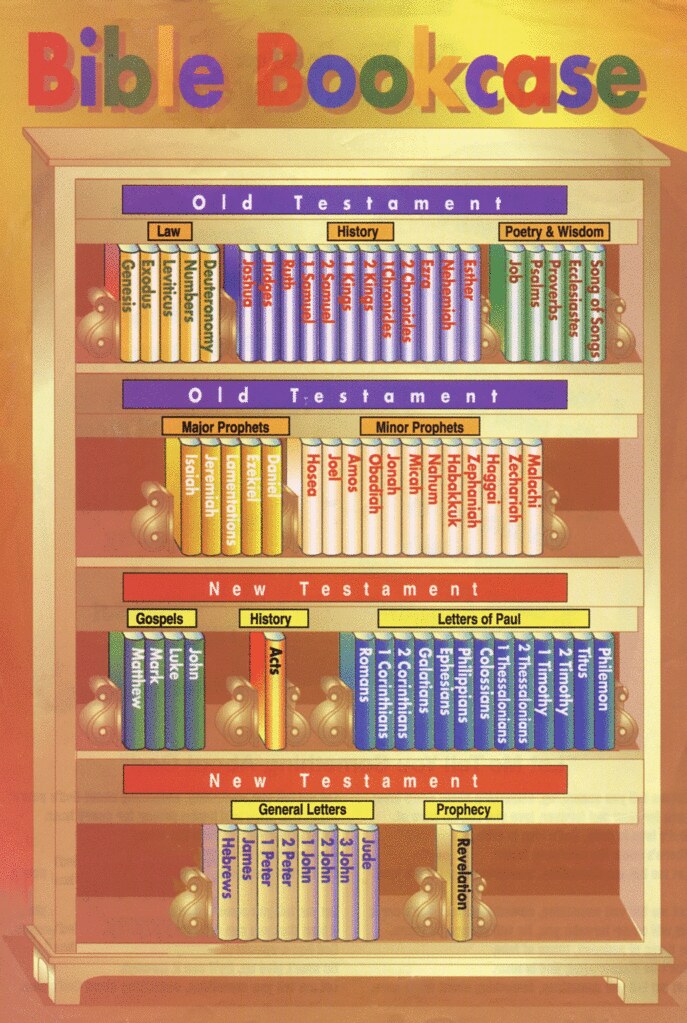
The Bible is not written in chronological order but according to the type of book:
Books of Moses (Law or Pentateuch): Genesis - Deuteronomy
History: Joshua - Esther
Poetry and Wisdom Literature: Job - Song of Solomon
Major Prophets: Isaiah - Daniel
Minor Prophets: Hosea - Malachi
Books of Moses (Law or Pentateuch): Genesis - Deuteronomy
History: Joshua - Esther
Poetry and Wisdom Literature: Job - Song of Solomon
Major Prophets: Isaiah - Daniel
Minor Prophets: Hosea - Malachi
I find it easier to understand
prophecy when it is read in the context of the historical period. So, that
is why we are interspersing the prophets in the historical context of 2 Kings
and 2 Chronicles.
I will not be doing a strictly chronological approach because I do not want to jump back and forth once we
start a prophetic book. So, when we get to a book like Isaiah, that covers the
reign of four kings of Judah spanning six decades, we will read
through all of those kings in 2 Kings and 2 Chronicles before we study the entire
book of Isaiah.
The prophetical books are broken
up into two sections: 5 Major Prophets (Isaiah - Daniel) and 12 Minor Prophets
(Hosea - Malachi). We will read them in chronological order. That way we will
get breaks between the longer major prophets of Isaiah, Jeremiah, and Ezekiel with
the shorter Minor Prophets. Here is a brief rundown of the order of the
historical dates for each prophet with the Major Prophets highlighted in bold.
They are all B.C.:
841-824.....Obadiah (this date
is hotly debated!)
825-809....Joel
784-772.....Jonah
767-755.....Amos
755-714.....Hosea
-----722 Assyrian Captivity of Northern Kingdom of Israel
-----722 Assyrian Captivity of Northern Kingdom of Israel
739-681.....Isaiah
733-701.....Micah
650-620....Nahum
636-623....Zephaniah
627-574.....Jeremiah
574-538.....Lamentations
621-609.....Habakkuk
605-586 Babylonian Captivity of Southern Kingdom of Judah
605-536.....Daniel
593-559.....Ezekiel
------538 Cyrus of Persian issues edict allowing Jews to RETURN to
land
520-505.....Haggai
520-489.....Zechariah
435-415.....Malachi
Theologically, the prophets
concentrate on warnings of impending judgment, teachings about righteous
living, encouragement to the faithful and oppressed, and predictions of God's
future plans.
I am approaching the prophets
with fear and trembling! :) I hope that you are game and that breaking up the longer books of the Major
Prophets with the shorter books of the Minor Prophets will make it easier! I
believe God has so much to teach us through the study of these books.
I LOVE what Eugene
Peterson says about the prophets:
Over a period of several hundred years the Hebrew people gave birth to an extraordinary number of prophets – men and women distinguished by the power and skill with which they presented the reality of God. They delivered God’s commands and promises and living presence to communities and nations who had been living on god-fantasies and god-lies.
Everyone more or less believes in God. But most of us do our best to keep God on the margins of our lives or failing that, refashion God to suit our convenience. Prophets insist that God is the sovereign center [emphasis mine] not off in the wings awaiting our beck and call. And prophets insist that we deal with God as God reveals himself, not as we imagine him to be [Isn't that powerful? Ponder that for a moment].
These men and women woke people up to the sovereign presence of God in their lives. They yelled, they wept, they rebuked, they soothed, they challenged, they comforted. They used words with power and imagination whether blunt or subtle. . .
Prophets make it impossible to evade God or make detours around God. Prophets insist on receiving God in ever nook and cranny of life. For a prophet, God is more real than the next-door neighbor. (The Message Remix, p. 1194, 1197)
With fear and trembling, let us start the prophets in the next post!
Monday, May 4, 2009
Amos 1 & 2 - The Lion Roars!
LINKS:
Monday - Amos 1
Tuesday - Amos 2
by Katrina
BACKGROUND
Amos was not a prophet by birth or profession. He was a shepherd and fig grower. He was from the southern kingdom of Judah and traveled to the northern kingdom of Israel with his message from God around 760-750 B.C. At the time he prophesied, Uzziah was king of Judah, and Jeroboam II was king of Israel. Judah and Israel were both wealthy and powerful then. The two nations were at peace with their neighbors. The people lived in great luxury and arrogance. Their hearts were far from the LORD, and their lives were immoral. So, God sent Amos with a message to Israel.
Here is a map of their world around that time.

The book of Amos begins with a brief introduction of Amos and the time of his prophecy. Then judgment is declared against all the countries surrounding Israel and Judah, followed by Judah, then Israel herself. The capital (or a major city) is often used to refer to a nation. Each judgment begins with the phrase, "for three transgressions . . . and for four." This is a figure of speech for an incalculable number. It means that the measure of iniquity is full and wrath must fall upon the wicked. (Feinberg) The Lord is in Zion (Jerusalem) and roars out his wrath against the nations.
REFLECTION
The Gentile nations were responsible to God for their actions and would be punished for their inhumane treatment of other people and for fighting against the LORD's people. There is a moral standard of God that applies to all people. God's own people were guilty of rejecting God and living lives of idolatry and immorality.
APPLICATION
All nations will be judged by God. Are we taking/sending the message of salvation to all peoples? I am challenged by Carol's application from Jonah the other day, and I know this is an area that I need to work on.
PRAYER
Lord, help us to be concerned for the lost people around us and take your message of salvation to them. Amen.
Monday - Amos 1
Tuesday - Amos 2
by Katrina
BACKGROUND
Amos was not a prophet by birth or profession. He was a shepherd and fig grower. He was from the southern kingdom of Judah and traveled to the northern kingdom of Israel with his message from God around 760-750 B.C. At the time he prophesied, Uzziah was king of Judah, and Jeroboam II was king of Israel. Judah and Israel were both wealthy and powerful then. The two nations were at peace with their neighbors. The people lived in great luxury and arrogance. Their hearts were far from the LORD, and their lives were immoral. So, God sent Amos with a message to Israel.
Here is a map of their world around that time.
The book of Amos begins with a brief introduction of Amos and the time of his prophecy. Then judgment is declared against all the countries surrounding Israel and Judah, followed by Judah, then Israel herself. The capital (or a major city) is often used to refer to a nation. Each judgment begins with the phrase, "for three transgressions . . . and for four." This is a figure of speech for an incalculable number. It means that the measure of iniquity is full and wrath must fall upon the wicked. (Feinberg) The Lord is in Zion (Jerusalem) and roars out his wrath against the nations.
- Damascus - capital of Syria (to the northeast of Israel) - judged for the cruel treatment of the people of Reuben, Gad, and the half tribe of Manasseh east of the Jordan. The Syrian king Hazael had oppressed Israel during the reigns of Jehu and Jehoahaz (2 Kings 10:32, 33; 13:3-7) and had mangled their bodies with threshing instruments.
- Gaza - city of Philistia (along the Mediterranean coast west of Judah) - judged for selling Jews, probably prisoners of war, to Edom as slaves.
- Tyre - city of Phoenicia (along the Mediterranean coast northwest of Israel) - also sold prisoners of war as slaves
- Edom (south and southeast of Judah) - descendants of Esau, who continually fought against Jacob and his descendants
- Ammon (east of Israel) - Ammonites were descendants of Lot and his younger daughter. There son was Ben-ammi, father of the Ammonites. They would be punished for their inhumane treatment of women and children in Judah.
- Moab (east of Judah) - descendants of Lot and his older daughter
- Judah - God's own people deserve judgment as well because they have rejected the LORD.
- Israel - Immorality, greed, oppression of the poor, open idolatry, and disregard for the Law bring judgment from God to Israel. God's indictment against Israel will continue in the following chapters.
REFLECTION
The Gentile nations were responsible to God for their actions and would be punished for their inhumane treatment of other people and for fighting against the LORD's people. There is a moral standard of God that applies to all people. God's own people were guilty of rejecting God and living lives of idolatry and immorality.
APPLICATION
All nations will be judged by God. Are we taking/sending the message of salvation to all peoples? I am challenged by Carol's application from Jonah the other day, and I know this is an area that I need to work on.
PRAYER
Lord, help us to be concerned for the lost people around us and take your message of salvation to them. Amen.
Subscribe to:
Comments (Atom)