- Jeremiah 48
- Jeremiah 49
- Jeremiah 50
- Jeremiah 51
- Jeremiah 52
- Psalms 85 & 102
- Psalms 120 & 137
- Lamentations 1 & 2
- Lamentations 3
- Lamentations 4 & 5
- Psalms 116 and 71
- Habakkuk 1 & 2
- Habakkuk 3
- 2 Kings 24 & 25
- 2 Chronicles 36
- Psalms 74 & 79
- Ezekiel 1
- Ezekiel 2 & 3
- Ezekiel 4 & 5
- Ezekiel 6 & 7
- Ezekiel 8 & 9
- Ezekiel 10
- Ezekiel 11
- Ezekiel 12
- Ezekiel 13
- Ezekiel 14-15
- Ezekiel 16
- Ezekiel 17
- Ezekiel 18
- Ezekiel 19
Showing posts with label 1&2 Chronicles. Show all posts
Showing posts with label 1&2 Chronicles. Show all posts
Tuesday, August 31, 2021
September in Jeremiah, Psalms, Lamentations, Habakkuk, 2 Kings, 2 Chronicles, and Ezekiel


Wednesday, June 30, 2021
July in 2 Kings & 2 Chronicles with Isaiah, Micah, Nahum, Zephaniah, and Jeremiah
- Isaiah 49
- Isaiah 50
- Isaiah 51
- Isaiah 52 & 53
- Isaiah 54
- Isaiah 55 & 56
- Isaiah 57 & 58
- Isaiah 59
- Isaiah 60
- Isaiah 61 & 62
- Isaiah 63 & 64
- Isaiah 65
- Isaiah 66
- Micah 1
- Micah 2
- Micah 3-5
- Micah 6
- Micah 7
- Nahum 1 & 2
- Nahum 3
- 2 Kings 22
- 2 Chronicles 34
- 2 Kings 23
- 2 Chronicles 35 & Zephaniah 1
- Zephaniah 2 & 3
- Jeremiah 1
- Jeremiah 2
- Jeremiah 3
- Jeremiah 4
- Jeremiah 5
- Jeremiah 6
Friday, April 30, 2021
May in 2 Kings & 2 Chronicles with Psalms, Hosea, and Isaiah
- 2 Kings 16 & 17
- 2 Chronicles 28
- 2 Kings 18
- 2 Kings 19
- 2 Kings 20
- 2 Chronicles 29
- 2 Chronicles 30
- 2 Chronicles 31
- 2 Chronicles 32
- Psalms 66-67 & 125
- Hosea 1-3
- Hosea 4
- Hosea 5
- Hosea 6:1-11a
- Hosea 6:11b-7:16
- Hosea 8
- Hosea 9
- Hosea 10
- Hosea 11
- Hosea 12
- Hosea 13
- Hosea 14
- 2 Kings 21
- 2 Chron. 33
- Isaiah 1
- Isaiah 2
- Isaiah 3 & 4
- Isaiah 5
- Isaiah 6 & 7
- Isaiah 8 & 9
- Isaiah 10
Wednesday, March 24, 2021
April in 2 Chronicles & 2 Kings with Obadiah, Joel, Jonah, and Amos
- 2 Kings 4
- 2 Kings 5
- 2 Kings 6 & 7
- 2 Kings 8
- 2 Chron. 21
- 2 Kings 9
- 2 Kings 10
- 2 Kings 11
- 2 Chron. 22
- 2 Chron. 23
- 2 Kings 12
- 2 Chron. 24
- Joash Character Study
- 2 Kings 13
- Obadiah 1
- Joel 1 – 2:17
- Joel 2:18 – 3:21
- 2 Kings 14
- 2 Chron. 25
- 2 Kings 15
- 2 Chron. 26 & 27
- Jonah 1 & 2
- Jonah 3 & 4
- Amos 1
- Amos 2
- Amos 3 & 4
- Amos 5
- Amos 6
- Amos 7 & 8
- Amos 9
Sunday, February 28, 2021
March in 2 Chronicles, 1 Kings, and Psalms
Chronicles of Kings
- 2 Chronicles 1 & 2
- 2 Chronicles 3 & 4
- 2 Chronicles 5 & 6
- 2 Chronicles 7 & 8
- 2 Chronicles 9 Death of Solomon
- 1 Kings 12
- 2 Chronicles 10
- 2 Chronicles 11
- 1 Kings 13
- 1 Kings 14
- 2 Chronicles 12
- Psalm 89
- 1 Kings 15
- 2 Chronicles 13
- 2 Chronicles 14 & 15
- 2 Chronicles 16
- 1 Kings 16
- 1 Kings 17 & 18
- 1 Kings 19
- Psalm 104
- Psalms 114 & 115
- 1 Kings 20 & 21
- 1 Kings 22 & 1 Kings Chapter Titles
- 2 Chronicles 17 & 18
- 2 Chronicles 19 & 20
- Psalms 46 & 47
- Psalm 48
- Psalm 49
- Psalm 91
- 2 Kings 1-2
- 2 Kings 3
Sunday, January 31, 2021
February in 1 Chronicles and Psalms
History to Future: Jacob - Captivity
- 1 Chron. 2 & 3
- 1 Chron. 4 & 6
- 1 Chron. 7 & 8
- 1 Chron. 9
- 1 Chron. 10
- 1 Chron. 11
- 1 Chron. 12
- 1 Chron. 13 & 14
- 1 Chron. 15
- Psalm 73
- Psalm 75
- Psalm 76
- Psalm 77
- Psalm 80
- Psalm 81
- Psalm 82
- Psalm 83
- 1 Chron. 16 & Psalm105
- 1 Chron. 17
- 1 Chron. 18 & 19
- 1 Chron. 20 & 21
- 1 Chron. 22 & 23
- Psalms 29 & 30
- 1 Chron. 24 & 25 & Psalm 88
- 1 Chron. 26
- 1 Chron. 27
- 1 Chron. 28
- 1 Chron. 29
Friday, July 27, 2012
Put 2 Chronicles Back on the Old Testament History Shelf
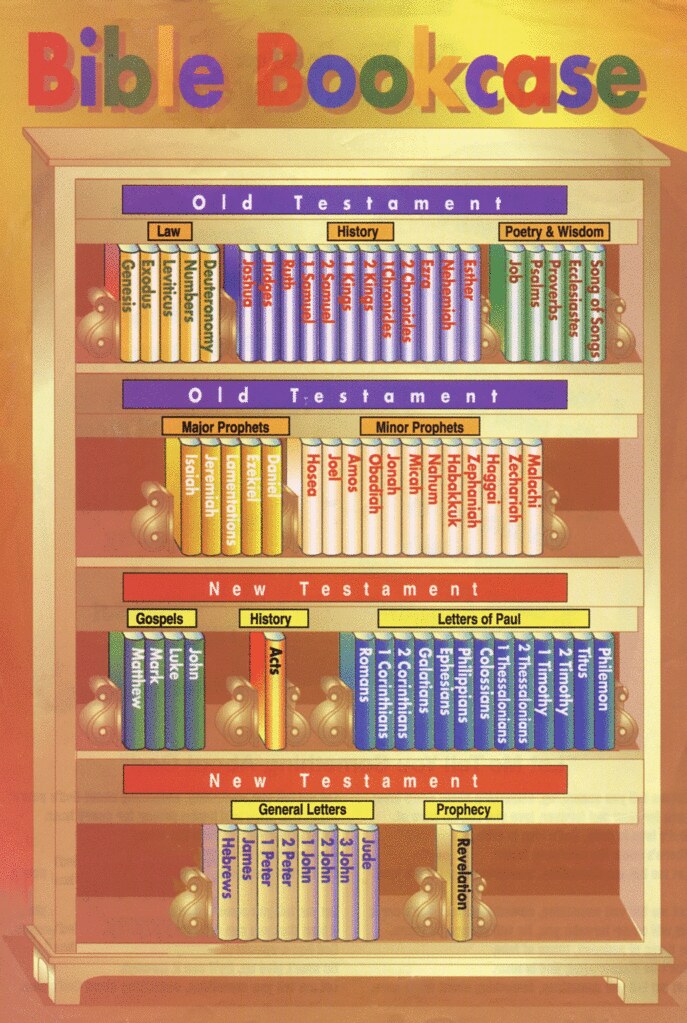
Yahoo! This one took a long time to get through since we broke away from it to cover the prophets.
Thursday, July 26, 2012
2 Kings 24-25 & 2 Chron. 36 - Babylonian Conquest and Exile
LINK: 2 Kings 24 & 25 & 2 Chronicles 36 (Read over the next two days)
BACKGROUND
BACKGROUND
Final Kings of Judah:
Jehoahaz - 2 Kings 23:30-34; 2 Chronicles 36:1-4
The account in 2 Chronicles adds some important things that are not in the 2 Kings account:
Jehoahaz - 2 Kings 23:30-34; 2 Chronicles 36:1-4
Jehoiakim/Jehoikim/Eliakim - 2 Kings 23:34-24:6; 2 Chronicles 36:4-8; Jeremiah 36:1-32Reigned: 609 B.C. for 3 months
Character: Bad
Manner of death: Taken by Pharaoh Neco II to Egypt where he died
Jehoiachin/Jeconiah/Coniah - 2 Kings 24:5-25:30; 2 Chronicles 36:8-10Reigned: 609-598 B.C. 11 years (switching allegiance back and forth under Egypt and Babylon while they warred)
Character: Wicked
Manner of death: Killed and body was "dragged off and thrown out beyond the gates of Jerusalem" (Jeremiah 22:19, Jeremiah 36:30).
Reigned: Dec. 9, 598-March 15/16, 597 B.C. for 3 months and 10 days
Character: Bad
Manner of death: Natural death in Babylon
Zedekiah/Mattaniah - 2 Kings 24:17-25:7; 2 Chronicles 36:10-21; Jeremiah 21, 34, 29:3; 51:59-52:11; Ezekiel 17:11-18
2 Kings 24
We learned in 2 Kings 23 that Eliakim was placed on the throne by Neco. As an ancient Near East custom, Neco demonstrated his control over Judah by changing Eliakim's name to Jehoiakim. He now submitted to Neco's authority and paid tribute through the people's taxes.
In 605 B.C., Babylon became the new world power and Nebuchadnezzar took control as its king after his father Nabopolassar died. Earlier that year, Nebuchadnezzar had defeated Pharaoh Neco at Carchemish on the Euphrates River. Babylon took control of Egypt and its vassals which included Judah.
Later that year, Nebuchadnezzar also invaded Judah. The prophet, Daniel, and others were deported to Babylon during this first invasion. Most of the story of Daniel occurs after all the events in this post and the events of Jeremiah.
Judah's King Jehoiakim submitted for three years but eventually revolted and appealed to Egypt for help. He was taken prisoner to Babylon (2 Chronicles 36:6), but eventually made it back to Jerusalem and died there.
Nebuchadnezzar was already marching on Jerusalem when Jehoiakim died and his son, Jehoiachin, became king for three months. Jehoiachin was evil. He surrendered to Nebuchadnezzar and was carried away to Babylon in the second deportation in 597 B.C. This fulfilled Jeremiah's prophecy that none of Jehoiachin's sons would sit on the throne (Jeremiah 22:30). This invasion was the consequence of God's warning during Solomon's reign (1 Kings 9:6-7).
Altogether, there were 10,000 people taken captive, including the prophet Ezekiel, the post-exilic prophet. Only the poorest people were left in Judah.
Jehoiachin's uncle, Mattaniah, was installed by Nebuchadnezzar as king of Judah. He was the third son of Josiah to rule, being the younger brother of Jehoahaz and Jehoiakim. Nebuchadnezzar changed Mattaniah's name to Zedekiah. Remember that the renaming of a person was an ancient Near East custom that demonstrated control.
King Zedekiah was also evil. He submitted to Babylon for several years but foolishly rebelled under pressure (Jeremiah 37-38). He made an alliance with Pharaoh Hophra of Egypt (589-570 B.C.).
2 Kings 25
In January of 588 B.C., Nebuchadnezzar of Babylonia began his march to besiege Jerusalem. On July 16, 586 B.C. they broke down the wall. Nebuchadnezzar captured Zedekiah, killed his sons (cutting off all heirs to the throne), blinded Zedekiah (making further rebellion an impossibility, Ezekiel 12:3), and carried him off to Babylon (Jeremiah 32:4; 34:1-3; 39).
On August 16, 586 B.C., they burned down every important building in Jerusalem, including the temple and royal palace which had stood for four centuries. Following this, seventy-two leaders were executed. All this made Israel an object of scorn to the surrounding nations. Gedaliah was set up as governor but was eventually murdered by Ishmael, a person of royal descent who wanted to govern Judah (Jeremiah 40:13-16; Jeremiah 41:2). In fear of reprisals from the Babylonians, the leaders of Judah fled to Egypt with Jeremiah the prophet (Jeremiah 41:1-43:7).
Reigned: 597-586 B.C. 11 years (Jews still regarded Jehoiachin as ruler instead of his uncle and even Ezekiel refers to Jehoiachin as king)By the way, Wikipedia has articles on all four of these kings with evidence that they really did exist.
Character: Bad
Manner of death: Blinded and died imprisoned in Babylon
2 Kings 24
We learned in 2 Kings 23 that Eliakim was placed on the throne by Neco. As an ancient Near East custom, Neco demonstrated his control over Judah by changing Eliakim's name to Jehoiakim. He now submitted to Neco's authority and paid tribute through the people's taxes.
In 605 B.C., Babylon became the new world power and Nebuchadnezzar took control as its king after his father Nabopolassar died. Earlier that year, Nebuchadnezzar had defeated Pharaoh Neco at Carchemish on the Euphrates River. Babylon took control of Egypt and its vassals which included Judah.
Later that year, Nebuchadnezzar also invaded Judah. The prophet, Daniel, and others were deported to Babylon during this first invasion. Most of the story of Daniel occurs after all the events in this post and the events of Jeremiah.
Judah's King Jehoiakim submitted for three years but eventually revolted and appealed to Egypt for help. He was taken prisoner to Babylon (2 Chronicles 36:6), but eventually made it back to Jerusalem and died there.
Nebuchadnezzar was already marching on Jerusalem when Jehoiakim died and his son, Jehoiachin, became king for three months. Jehoiachin was evil. He surrendered to Nebuchadnezzar and was carried away to Babylon in the second deportation in 597 B.C. This fulfilled Jeremiah's prophecy that none of Jehoiachin's sons would sit on the throne (Jeremiah 22:30). This invasion was the consequence of God's warning during Solomon's reign (1 Kings 9:6-7).
Altogether, there were 10,000 people taken captive, including the prophet Ezekiel, the post-exilic prophet. Only the poorest people were left in Judah.
Jehoiachin's uncle, Mattaniah, was installed by Nebuchadnezzar as king of Judah. He was the third son of Josiah to rule, being the younger brother of Jehoahaz and Jehoiakim. Nebuchadnezzar changed Mattaniah's name to Zedekiah. Remember that the renaming of a person was an ancient Near East custom that demonstrated control.
King Zedekiah was also evil. He submitted to Babylon for several years but foolishly rebelled under pressure (Jeremiah 37-38). He made an alliance with Pharaoh Hophra of Egypt (589-570 B.C.).
2 Kings 25
In January of 588 B.C., Nebuchadnezzar of Babylonia began his march to besiege Jerusalem. On July 16, 586 B.C. they broke down the wall. Nebuchadnezzar captured Zedekiah, killed his sons (cutting off all heirs to the throne), blinded Zedekiah (making further rebellion an impossibility, Ezekiel 12:3), and carried him off to Babylon (Jeremiah 32:4; 34:1-3; 39).
On August 16, 586 B.C., they burned down every important building in Jerusalem, including the temple and royal palace which had stood for four centuries. Following this, seventy-two leaders were executed. All this made Israel an object of scorn to the surrounding nations. Gedaliah was set up as governor but was eventually murdered by Ishmael, a person of royal descent who wanted to govern Judah (Jeremiah 40:13-16; Jeremiah 41:2). In fear of reprisals from the Babylonians, the leaders of Judah fled to Egypt with Jeremiah the prophet (Jeremiah 41:1-43:7).
Remember that Jehoiachin was taken captive to Babylon in 597 B.C. (24:15). When a new king came into power in 562 B.C., he gave Jehoiachin great privileges and treated him more as a guest than a prisoner. There are Babylonian tablets that confirm that Jehoiachin, his sons, and others received rations from Nebuchadnezzar's stores! This all led to more freedom for the Israelites in captivity. What a nice positive end to the book of 2 Kings!
2 Chronicles 36
The account in 2 Chronicles adds some important things that are not in the 2 Kings account:
1) It summarizes God's motivation for sending the pre-exilic prophets:The LORD, the God of their fathers sent word to them again and again by His messengers, because He had compassion on His people and on His dwelling place; but they continually mocked the messengers of God, despised His words and scoffed at His prophet, until the wrath of the LORD arose against His people, until there was no remedy. (2 Chronicles 36:15, 16)2) It speaks of the 70-year captivity:2 Chronicles 36:21 is the fulfillment of what was predicted in Leviticus 26:27-45. The land would enjoy a 70-year rest because Israel and Judah had failed to keep the sabbatical years. (Every seventh year the land was supposed to lie fallow, resting from crop production. See Exodus 23:10,11; Leviticus 25:1-7.) This was also prophesied in Jeremiah 29:10. This probably refers to the 70 years from the first deportation under Nebuchadnezzar in 605 B.C. to the rebuilding of the temple foundation by the returning exiles in 536 B.C. (see Daniel 9:2, Ezra 1:1).3) It closes on a note of hope:Cyrus, king of Persia (559-530 B.C.), made a proclamation 48 years after the temple was destroyed (36:18, 19) and a year after he conquered Babylon (538 B.C.) that the people of Judah could return to their land and rebuild the temple (See Ezra 1:2-3a). This was a fulfillment of the prophetic words of Jeremiah 25:12; 29:10 and an answer to Daniel's prayer in Daniel 9:4-19. This is fitting since the account in Chronicles focuses more on the temple and temple worship than the parallel account in 1 & 2 Kings.
REFLECTION and APPLICATION
Chew on 2 Chronicles 36:15-16 for a while. Are there any areas where you are not listening to the Lord and obeying Him?
Remember that God Guides is a great book about listening and obeying.
Remember that God Guides is a great book about listening and obeying.
PRAYER
Lord, help us to listen to Your Word and obey. May we do it through the power of Your Holy Spirit. Amen.
Monday, July 23, 2012
2 Kings 23 & 2 Chronicles 35 - Giving God our ALL
LINK: 2 Kings 23 & 2 Chronicles 35
BACKGROUND
Josiah moved quickly by gathering ALL the elders, priests, prophets (probably including Jeremiah and Zephaniah), and people to read ALL the words of the Book. It may have been the whole Book of the Law which included the first five books of the Bible (also called the Pentateuch with Penta meaning "five"), or it may have just been the sections promising to bless if God's people obeyed and discipline if God's people disobeyed (Deuteronomy 27:15-28). The effect of reading God's Word was wonderful. Josiah pledged himself to follow the LORD faithfully with ALL of his heart and ALL of his soul. Then the people followed suit.
His pledge was not just words but was followed up by action. He removed ALL the things connected to the worship of false gods that his ancestors had brought into Judah and Jerusalem. What a mess they had made, and what a tremendous amount of work to clear it all out, but Josiah followed through. In the midst of all of this, he did not disturb the man of God from Judah in 1 Kings 13:2-3 who had predicted Josiah's future actions, and the old prophet from Bethel who was buried next to him (1 Kings 13:31-32). The "Hill of Corruption/Destruction" mentioned in 2 Kings 23:13 is the southern hill of the famous Mount of Olives.
Josiah not only abolished idolatry but also reestablished the Passover feast commemorating God's redemption of His people from their bondage in Egypt. It is described in more detail in 2 Chronicles 35:1-19. An explanation of the Passover can also be found in our previous study of Leviticus 23 & 24 here.
This has been such a positive chapter, but it ends on a sobering note. Josiah reigned righteously for 31 years (640-609 B.C.), but he was killed by Pharaoh Neco of Egypt in the battle of Megiddo (It is explained more fully in 2 Chronicles 35:20-27).
Three out of four of Josiah's sons ruled after him. His son, Jehoahaz (Shallum) did not follow Josiah's ways but did "evil in the eyes of the LORD" and was taken prisoner to Egypt by Pharaoh Neco after only reigning for three months. Neco then placed Jehoahaz's older brother, Eliakim (changed to Jehoiakim), on the throne. Sadly, Jehoiakim also did "evil in the eyes of the LORD" and reigned as the "puppet king" of Neco 609-598 B.C.).
Even though Josiah followed the Lord in wholehearted obedience, "the LORD did not turn away from the heat of His fierce anger, which burned against Judah because of ALL that Manasseh had done to provoke him to anger" (2 Kings 23:26). 2 Kings will conclude with the fulfillment of the Lord's intention to "remove Judah" (23:27) from His presence just like he had removed Israel in 722 B.C.
2 Chronicles 35:25 says that "Jeremiah composed laments for Josiah." This is the same Jeremiah we will read after Zephaniah. These laments are not the same thing as the Book of Lamentations. We have no record of the laments of Josiah.
Although Kings Jehoahaz and Jehoiakim are introduced at the end of 2 Kings 23, I will do a quick rundown of all the final kings of Judah in my next history post after the prophet Zephaniah.
REFLECTION
I love reading about the life of Josiah after so many compromising kings. He heard the Word and he responded in humble obedience to it with action and not just "intellectual assent." This is true faith. He was willing to go against the culture of his day and apply the Word of God to it despite popular opinion. To use a word tossed around quite a bit lately, he was an ancient-day maverick!
APPLICATION
What challenges me about Josiah is that he applied the Word to his life rather than just looking at it and thought it was a very "nice" book to read:
APPLICATION - DO IT!
You know that Nike advertisement: Just do it! Application is the whole point of Bible Study. It is putting God's Word into practice - recognizing the voice of the Lord and responding accordingly.
A good acronym for approaching application is S.P.E.C.K.
Put on your "specks" and "see" how the Scriptures you have been studying can apply to your life!
S.P.E.C.K. stands for:
S -- Is there a SIN to avoid?
P -- Is there a PROMISE to claim?
E -- Is there an EXAMPLE to follow?
C -- Is there a COMMAND to obey?
K -- How can my heart KNOWLEDGE of God increase?
BACKGROUND
Josiah moved quickly by gathering ALL the elders, priests, prophets (probably including Jeremiah and Zephaniah), and people to read ALL the words of the Book. It may have been the whole Book of the Law which included the first five books of the Bible (also called the Pentateuch with Penta meaning "five"), or it may have just been the sections promising to bless if God's people obeyed and discipline if God's people disobeyed (Deuteronomy 27:15-28). The effect of reading God's Word was wonderful. Josiah pledged himself to follow the LORD faithfully with ALL of his heart and ALL of his soul. Then the people followed suit.
His pledge was not just words but was followed up by action. He removed ALL the things connected to the worship of false gods that his ancestors had brought into Judah and Jerusalem. What a mess they had made, and what a tremendous amount of work to clear it all out, but Josiah followed through. In the midst of all of this, he did not disturb the man of God from Judah in 1 Kings 13:2-3 who had predicted Josiah's future actions, and the old prophet from Bethel who was buried next to him (1 Kings 13:31-32). The "Hill of Corruption/Destruction" mentioned in 2 Kings 23:13 is the southern hill of the famous Mount of Olives.
Josiah not only abolished idolatry but also reestablished the Passover feast commemorating God's redemption of His people from their bondage in Egypt. It is described in more detail in 2 Chronicles 35:1-19. An explanation of the Passover can also be found in our previous study of Leviticus 23 & 24 here.
This has been such a positive chapter, but it ends on a sobering note. Josiah reigned righteously for 31 years (640-609 B.C.), but he was killed by Pharaoh Neco of Egypt in the battle of Megiddo (It is explained more fully in 2 Chronicles 35:20-27).
Three out of four of Josiah's sons ruled after him. His son, Jehoahaz (Shallum) did not follow Josiah's ways but did "evil in the eyes of the LORD" and was taken prisoner to Egypt by Pharaoh Neco after only reigning for three months. Neco then placed Jehoahaz's older brother, Eliakim (changed to Jehoiakim), on the throne. Sadly, Jehoiakim also did "evil in the eyes of the LORD" and reigned as the "puppet king" of Neco 609-598 B.C.).
Even though Josiah followed the Lord in wholehearted obedience, "the LORD did not turn away from the heat of His fierce anger, which burned against Judah because of ALL that Manasseh had done to provoke him to anger" (2 Kings 23:26). 2 Kings will conclude with the fulfillment of the Lord's intention to "remove Judah" (23:27) from His presence just like he had removed Israel in 722 B.C.
2 Chronicles 35:25 says that "Jeremiah composed laments for Josiah." This is the same Jeremiah we will read after Zephaniah. These laments are not the same thing as the Book of Lamentations. We have no record of the laments of Josiah.
Although Kings Jehoahaz and Jehoiakim are introduced at the end of 2 Kings 23, I will do a quick rundown of all the final kings of Judah in my next history post after the prophet Zephaniah.
REFLECTION
I love reading about the life of Josiah after so many compromising kings. He heard the Word and he responded in humble obedience to it with action and not just "intellectual assent." This is true faith. He was willing to go against the culture of his day and apply the Word of God to it despite popular opinion. To use a word tossed around quite a bit lately, he was an ancient-day maverick!
APPLICATION
What challenges me about Josiah is that he applied the Word to his life rather than just looking at it and thought it was a very "nice" book to read:
Don't fool yourself into thinking that you are a listener when you are anything but, letting the Word go in one ear and out the other. Act on what you hear! Those who hear and don't act are like those who glance in the mirror, walk away, and two minutes later have no idea who they are, what they look like.We can do that too. It has been a long time since I shared a Bible study tool with you, but here is something I wrote many years ago about applying the Word of God:
But whoever catches a glimpse of the revealed counsel of God—the free life! —even out of the corner of his eye, and sticks with it, is no distracted scatterbrain but a man or woman of action. That person will find delight and affirmation in the action. (James 1:23-25 - The Message)
APPLICATION - DO IT!
You know that Nike advertisement: Just do it! Application is the whole point of Bible Study. It is putting God's Word into practice - recognizing the voice of the Lord and responding accordingly.
"I considered my ways, and I turned my feet to Your testimonies.
I hastened and did not delay to keep Your commandments."
(Psalm 119:59-60)
"The benefit of Bible Study is not derived from the method,
the technique, or diligent effort to decipher the text.
The benefit is obeying the voice of the Lord,
receiving what He says and putting it into practice"
(Search the Scriptures, The Navigators, 1974, out of print).
A good acronym for approaching application is S.P.E.C.K.
Put on your "specks" and "see" how the Scriptures you have been studying can apply to your life!
S.P.E.C.K. stands for:
S -- Is there a SIN to avoid?
P -- Is there a PROMISE to claim?
E -- Is there an EXAMPLE to follow?
C -- Is there a COMMAND to obey?
K -- How can my heart KNOWLEDGE of God increase?
(Heart knowledge is true, personal, intimate knowledge)
(I did not make this acronym up, but I have never been able to credit who did. I learned it from my discipler who learned it from someone else.)
Some suggestions for making applications:
Lord, thank You for Josiah. He walked in ALL Your ways, and he influenced ALL the people. Help us to walk in ALL Your ways too by applying what we are learning from You and to pass that on to the people around us. We ask this in Jesus' name. Amen.
(I did not make this acronym up, but I have never been able to credit who did. I learned it from my discipler who learned it from someone else.)
Some suggestions for making applications:
- Pray - We need His guidance. He knows where we need to grow and will lead us. It is about listening to what the Lord has for you.
- Write it out - It clarifies what you plan to do in your own mind and is a record for reference. It is also helpful to write out a prayer regarding your application. Prayer personalizes the passage.
- K.I.S.S. - Keep it to Simple Steps! Don't make it complicated and set yourself up for failure.
- Be specific - It is easy to say, "I am going to pray more." That kind of application is seldom put into practice. It is far more meaningful to write down, "I am going to spend five minutes of my lunch this week in prayer for my brother's salvation."
- Avoid being rigid or legalistic - Be flexible and focus on what is going on with your heart not what you are "doing." Using the example of praying for five minutes, I might be considered rigid if a coworker or child interrupted me in the middle of it, and I had only prayed for 2 minutes and 30 seconds! Let everything be led by the Holy Spirit who creates time and place. God looks at the heart.
- Be accountable - Applications are very effective when we share them with others. It is part of "stimulating one another to love and good deeds" (Hebrews 10:24) and also develops true oneness with other believers. We need each other, and another person can often tell us if our applications are unrealistic, unprofitable, or legalistic.
- Memorize - It helps cement it in our hearts (Psalm 119:11).
- Illustrate - A story, poem, or illustration can help you to retain the truth.
- Make a reminder - I am very forgetful. Just like the person looking in the mirror of James 1! I have reminders of past applications in full view to help me remember that time with God. Right now, I have a card on my windowsill that says: "Presence 24/7/365" to remind me that God wants me "in His presence" all the time. If I am doing this in a group, someone writes down people's applications so we can ask each other how it went when we next meet. It is always encouraging to hear how God worked through it.
- Pass it on - We build up the body by passing on what we have learned. It also helps to cement the truth in our own life. This can be done with an accountability partner or someone we are discipling. Much of what discipleship is about is just passing on what you are learning from God. Discipleship delights God's heart and benefits everyone.
Lord, thank You for Josiah. He walked in ALL Your ways, and he influenced ALL the people. Help us to walk in ALL Your ways too by applying what we are learning from You and to pass that on to the people around us. We ask this in Jesus' name. Amen.
Saturday, July 21, 2012
2 Kings 22 & 2 Chronicles 34 - Josiah: The Boy Ruler Turned Reformer
LINK: 2 Kings 22 & 2 Chronicles 34 (Read over the next two days)
BACKGROUND
Josiah of Judah - 2 Kings 21:26-23:30; 2 Chronicles 33:25-36:1
Josiah reigned righteously and followed God completely. The 2 Chronicles account says that he began to seek the God of his father David when he was 16 years old and began to purge Judah of the high places, Asherim, and carved and molten images at age 20 (2 Chronicles 34:3-7). When he turned 26, he found the Book of the Law. One reading had such an impact on him that it changed the course of the nation of Judah and staved off God's judgment on Judah's idolatrous ways for a few more decades.
The prophets Zephaniah, Jeremiah, and Habakkuk prophesied during Josiah's reign.
REFLECTION and APPLICATION
Reading Josiah's humble reaction to finding and reading the Book of the Law reminded me of this video that I saw many years ago. It is a documentary of the humble reaction of the Mouk people of Papua New Guinea when they heard the Word of the Lord for the first time. Please watch it and weep for joy! It is eight minutes, but it is incredible. Their response is 11 minutes in. You will be VERY happy you watched it!
BACKGROUND
Josiah of Judah - 2 Kings 21:26-23:30; 2 Chronicles 33:25-36:1
During Josiah's reign, Nineveh, the capital of the powerful Assyria that carried Israel away in 722 B.C., was destroyed in 612 B.C. by the Babylonians. In 609 B.C., the whole Assyrian Empire fell to the Babylonians.Reigned: 640-609 B.C. for 31 years
Character: The Best
Manner of death: Killed in battle by Pharaoh Neco of Egypt
Josiah reigned righteously and followed God completely. The 2 Chronicles account says that he began to seek the God of his father David when he was 16 years old and began to purge Judah of the high places, Asherim, and carved and molten images at age 20 (2 Chronicles 34:3-7). When he turned 26, he found the Book of the Law. One reading had such an impact on him that it changed the course of the nation of Judah and staved off God's judgment on Judah's idolatrous ways for a few more decades.
The prophets Zephaniah, Jeremiah, and Habakkuk prophesied during Josiah's reign.
REFLECTION and APPLICATION
Reading Josiah's humble reaction to finding and reading the Book of the Law reminded me of this video that I saw many years ago. It is a documentary of the humble reaction of the Mouk people of Papua New Guinea when they heard the Word of the Lord for the first time. Please watch it and weep for joy! It is eight minutes, but it is incredible. Their response is 11 minutes in. You will be VERY happy you watched it!
PRAYER
Lord, thank You for the wholehearted example of Josiah and the Mouk people who heard Your Word and responded in obedience! May we have that kind of response when we hear, read, study, memorize, and meditate on Your precious Word. We ask this in Jesus' name. Amen.
Lord, thank You for the wholehearted example of Josiah and the Mouk people who heard Your Word and responded in obedience! May we have that kind of response when we hear, read, study, memorize, and meditate on Your precious Word. We ask this in Jesus' name. Amen.
Wednesday, May 23, 2012
2 Kings 21 & 2 Chronicles 33 - Like Father, Like Son?
LINK: 2 Kings 21 & 2 Chronicles 33 (Read over the next two days)
BACKGROUND
Manasseh of Judah - 2 Kings 21:1-18, 2 Chronicles 33:1-20
Amon of Judah - 2 Kings 21:19-26, 2 Chronicles 33:21-25
But before we get to Josiah, we are going to read through the prophets Isaiah, Micah, and Nahum.
Stay Tuned!
BACKGROUND
Manasseh of Judah - 2 Kings 21:1-18, 2 Chronicles 33:1-20
Reigned: 697-642 B.C. for 55 years, vice-regency under his father, Hezekiah, for 11 years (697-686 B.C.)Hezekiah's godliness did not influence his son, Manasseh, who followed the ways of his grandfather, Ahaz, by rebuilding the high places his father had removed and reintroducing abominable practices that lead Judah into a downward spiral (2 Kings 21:3; 2 Chronicles 33:3). His most serious sin was sacrificing his sons (2 Chronicles 33:6). 2 Kings 21 records that Manasseh repented after suffering humiliating imprisonment by the King of Assyria. He set about reforms, but he allowed the people to sacrifice on the high places as long as they were to the God of Israel. Despite this, he is still considered one of Judah's "bad boys."
Character: Bad
Manner of death: Natural
Amon of Judah - 2 Kings 21:19-26, 2 Chronicles 33:21-25
Reigned: 642-640 B.C. for 2 yearsManasseh's son, Amon, did "evil in the eyes of the LORD, as his father Manasseh had done" and was assassinated by his own officials, but the people killed those officials and put the next GOOD, eight-year-old king on the throne: Josiah.
Character: Bad
Manner of death: Murdered by servants
But before we get to Josiah, we are going to read through the prophets Isaiah, Micah, and Nahum.
Stay Tuned!
Thursday, May 3, 2012
2 Kings 18-20 & 2 Chronicles 29-32 - Hezekiah the King
LINK: 2 Kings 18-20 & 2 Chronicles 29-32
(Read over the next week)
I decided to put the whole life of Hezekiah in one post with both the 2 Kings and 2 Chronicles accounts. 2 Chronicles devotes much more time to all the religious reforms of Hezekiah. That is because the temple is central in 2 Chronicles. 2 Kings focuses more on his military movements.
Most commentators believe that the events in both 2 Kings and 2 Chronicles are not chronological. Also, they overlap with the prophet Isaiah in chapters 36-39. We will go through the whole life of Hezekiah before we turn to that big book so as not to break up the flow of history.
BACKGROUND
Israel is no more. They have been carried off in the Assyrian captivity. Now, we will see the last days of the surviving kingdom of Judah from 2 Kings 18-25 and the parallel account in 2 Chronicles 29-36.
Hezekiah of Judah - 2 Kings 18-20, 2 Chronicles 29-32
In addition, Hezekiah invited people from both Judah and Israel to come to the temple in Jerusalem and worship the Lord because it was the only true center of worship (see Deuteronomy 12). He also restored the observance of Passover (2 Chronicles 30). (See HERE for a previous post about the Passover.) The people's return to worship shamed the priests into action. They sanctified themselves and brought offerings to the temple (2 Chronicles 30:15).
Regardless of the mocking of the people outside of Judah and the mocking of the king of Assyria when he attacked Judah, Hezekiah remained steadfast and fought the Lord's battle exactly where it should have been fought: on his knees! God honored his prayers by defeating Assyria.
Isaiah prophesied that Hezekiah would die, but Hezekiah's faith-filled intercession caused God to hear his prayer and see his tears and heal him, giving him fifteen more years of life (701-686 B.C.). He showed this through the sign of the shadow on the "stairway of Ahaz." Some commentators say this was an Egyptian sundial in the form of a miniature staircase with shadows moving up and down the staircase. Other commentators say it was a literal staircase built by King Ahaz. Hezekiah had pride in his heart and did not respond to the Lord's kindness. Hezekiah humbled the pride of his heart though and the Lord's wrath was averted (2 Kings 20:1-11; 2 Chronicles 32:24-26).
Merodach-Baladan reigned Babylon during two time periods: 721-710 and 703-702 B.C. He sent an envoy to Judah to seek King Hezekiah's support as an ally in the anti-Assyrian effort but also to find out how strong Judah was. Hezekiah made a foolish mistake and failed the Lord's test in showing the Babylonian envoy all of his wealth and armaments and revealed more of his proud heart (2 Chronicles 32:25-31; 2 Kings 20:12-19; Isaiah 39:1-8). This led to Isaiah's sad prophecy regarding the end of Judah at the hands of the Babylonians.
Despite his pride, Hezekiah responded well to the "word of the LORD" (2 Kings 20:19).
REFLECTION
Oh PRIDE! It got even good King Hezekiah in the end, and it can get all of us because it is one of the evil one's greatest tools:
APPLICATION
How is your pride meter today? There are many verses on pride, pray through some of them:
Leviticus 26:19
Psalm 36:11
Proverbs 8:13
Proverbs 11:2
Proverbs 16:18
Proverbs 21:24
Proverbs 29:23
Isaiah 2:17
Micah 6:8
Also, the book Praying God's Word by Beth Moore has an excellent chapter called "Overcoming Pride." I heartily recommend this book. It is fantastic for your prayer life!
PRAYER
Lord, You bring down rulers from their thrones, but You exalt the humble (Luke 1:52). Please show us the areas of pride in our life and root them out so that we might give ONLY YOU the glory and honor. We pray this in Jesus' name. Amen.
I decided to put the whole life of Hezekiah in one post with both the 2 Kings and 2 Chronicles accounts. 2 Chronicles devotes much more time to all the religious reforms of Hezekiah. That is because the temple is central in 2 Chronicles. 2 Kings focuses more on his military movements.
Most commentators believe that the events in both 2 Kings and 2 Chronicles are not chronological. Also, they overlap with the prophet Isaiah in chapters 36-39. We will go through the whole life of Hezekiah before we turn to that big book so as not to break up the flow of history.
BACKGROUND
Israel is no more. They have been carried off in the Assyrian captivity. Now, we will see the last days of the surviving kingdom of Judah from 2 Kings 18-25 and the parallel account in 2 Chronicles 29-36.
Hezekiah of Judah - 2 Kings 18-20, 2 Chronicles 29-32
Reigned: 715-686 B.C. for 29 years, vice-regency under father, Ahaz, for 14 years (729-715 B.C.), and vice-regency with his son, Manasseh, for 11 years (697-686 B.C.)Hezekiah's name means "the Lord strengthens," and he lived up to his name by seeking the Lord's strength. He was considered Judah's best king. In the first two months of his reign, he removed the high places, put an end to idol worship, and restored worship in the temple. "He did what was right in the eyes of the Lord, just as his father David had done" (2 Chronicles 29:2). This is phenomenal when you consider that his father was such a bad king who defiled the temple, closed its doors, stopped the ministry of the Levites, and practiced idolatry (2 Chronicles 28:24; 2 Kings 16:10ff). Hezekiah lived above his upbringing!
Character: The Best
Overlap with Israel's King: Hoshea during Hezekiah's co-regency with his father, Ahaz (732-722 B.C.)
Manner of death: Natural
In addition, Hezekiah invited people from both Judah and Israel to come to the temple in Jerusalem and worship the Lord because it was the only true center of worship (see Deuteronomy 12). He also restored the observance of Passover (2 Chronicles 30). (See HERE for a previous post about the Passover.) The people's return to worship shamed the priests into action. They sanctified themselves and brought offerings to the temple (2 Chronicles 30:15).
Regardless of the mocking of the people outside of Judah and the mocking of the king of Assyria when he attacked Judah, Hezekiah remained steadfast and fought the Lord's battle exactly where it should have been fought: on his knees! God honored his prayers by defeating Assyria.
Isaiah prophesied that Hezekiah would die, but Hezekiah's faith-filled intercession caused God to hear his prayer and see his tears and heal him, giving him fifteen more years of life (701-686 B.C.). He showed this through the sign of the shadow on the "stairway of Ahaz." Some commentators say this was an Egyptian sundial in the form of a miniature staircase with shadows moving up and down the staircase. Other commentators say it was a literal staircase built by King Ahaz. Hezekiah had pride in his heart and did not respond to the Lord's kindness. Hezekiah humbled the pride of his heart though and the Lord's wrath was averted (2 Kings 20:1-11; 2 Chronicles 32:24-26).
Merodach-Baladan reigned Babylon during two time periods: 721-710 and 703-702 B.C. He sent an envoy to Judah to seek King Hezekiah's support as an ally in the anti-Assyrian effort but also to find out how strong Judah was. Hezekiah made a foolish mistake and failed the Lord's test in showing the Babylonian envoy all of his wealth and armaments and revealed more of his proud heart (2 Chronicles 32:25-31; 2 Kings 20:12-19; Isaiah 39:1-8). This led to Isaiah's sad prophecy regarding the end of Judah at the hands of the Babylonians.
Despite his pride, Hezekiah responded well to the "word of the LORD" (2 Kings 20:19).
He trusted in the Lord, the God of Israel; so that after him there was none like him among all the kings of Judah, nor among those who were before him. For he clung to the Lord; he did not depart from following Him, but kept His commandments, which the Lord had commanded Moses. (2 Kings 18:5-6)Only a handful of people in the Bible are given 10 or more chapters in the Bible: Moses, David, Paul, and Hezekiah are a few. Of course, those chapters are scattered between three books: 2 Kings, 2 Chronicles, and Isaiah!
REFLECTION
Oh PRIDE! It got even good King Hezekiah in the end, and it can get all of us because it is one of the evil one's greatest tools:
Pride is one of Satan’s chief weapons in his battle against the Lord and His people. Satan himself committed the sin of pride when he rebelled against God and sought the worship and obedience that God alone deserves (Isa. 14:12–15). Pride makes us rob God of the glory that belongs to Him alone. Pride gives us a feeling of false security and this leads us into sin and defeat. Charles Spurgeon said to his London congregation, “Be not proud of race, face, place, or grace.” Good advice! William Barclay wrote, “Pride is the ground in which all the other sins grow, and the parent from which all the other sins come. (Wiersbe, W. W. (2002). Be Distinct, p. 135)Be aware! No one is immune to pride.
APPLICATION
How is your pride meter today? There are many verses on pride, pray through some of them:
Leviticus 26:19
Psalm 36:11
Proverbs 8:13
Proverbs 11:2
Proverbs 16:18
Proverbs 21:24
Proverbs 29:23
Isaiah 2:17
Micah 6:8
Also, the book Praying God's Word by Beth Moore has an excellent chapter called "Overcoming Pride." I heartily recommend this book. It is fantastic for your prayer life!
"Pride is the deification of self."
- Oswald Chambers, My Utmost for His Highest
PRAYER
Lord, You bring down rulers from their thrones, but You exalt the humble (Luke 1:52). Please show us the areas of pride in our life and root them out so that we might give ONLY YOU the glory and honor. We pray this in Jesus' name. Amen.
Tuesday, May 1, 2012
2 Kings 16-17 & 2 Chronicles 28 - Israel Removed from God's Presence and to Assyria
LINK: 2 Kings 16-17, 2 Chronicles 28
PRAYER
Meditate and responsively pray through Romans 12:2. Lord, re-mold us. Amen.
(Read over the next two days)
BACKGROUND
God's patience had finally run out and judgment came. The final kings of Israel lead the people even deeper into idolatry, and Assyria delivered the final punch by capturing them and deporting them to Assyria and putting other peoples in their place. But first, a word about Judah.
Ahaz of Judah - 2 Kings 16:1-20; 2 Chronicles 28:1-27
2 Chronicles 28 tells us that the LORD brought Pekah, King of Israel, and Rezin, King of Syria against Judah to punish Ahaz for his sin. Ahaz went to Assyria (King Tiglath-Pileser II who reigned from 745-727 B.C.) and asked for help and paid tribute for it. Isaiah tried to prevent Ahaz from turning to Assyria (for a complete story read Isaiah 7-9 and specifically Isaiah 7:4-9), but he did so anyway. Assyria helped by attacking and capturing Damascus. This was foolish because it encouraged further Assyrian advancement into the Promised Land.
Ahaz's apostasy is reflected in his adoption of the altar of Assyria instead of using God's altar and furnishings in the temple. His acts of idolatry are more fully explained in 2 Chronicles 28 than in 2 Kings 16. He died and was not buried with the other godly kings of Judah (2 Chronicles 28:27).
Hoshea, the LAST King of Israel - 2 Kings 15:30-17:6
On the surface, Israel was attacked and deported by Assyria because Hoshea failed to pay tribute to Shalmaneser V (727-722 B.C.) and tried to align with King So (Osorkon IV, ca 727-726 B.C.) of Egypt. I find it amazing that the last king of Israel would ask for help from Egypt because 724 years earlier (1446 B.C.) Egypt had been their captor! The northern kingdom had ceased to exist after only two centuries (931-722 B.C.).
Here is their track record: Seven of Israel's kings were assassinated, and ALL were judged evil by God!
The remainder of 2 Kings 17 gives a very thorough list of the REAL reasons for their captivity. The gist of the history of Israel's apostasy is contained in verses 14-15:
REFLECTION
Israel imitated the nations around them although the Lord had ordered them not to "do as they do." Similarly, we are not to imitate the sinful ways of the culture around us, but I think I probably do more than I would like to admit. Right now, I am pondering the ways I have let our culture seep into my life in the books that I read, the movies that I watch, the music I listen to, and the way I spend my time. Don't get me wrong, I think entertainment, relaxation, and refreshment can be very good. There are many worthwhile books, movies, and music out there. I just want to have better discernment in filtering out those things that make me like the un-godly culture around me.
The Phillips New Testament in Modern English versions says:
For example, my book club read and discussed a book today. It was pretty post-modern and very anti-God with some very disturbing images attached to it. In conversation with a couple of women afterward, we discussed that we want God to teach us to "number our days to present to Him a heart of wisdom" (Psalm 90:12). Is putting those disturbing images into our head and spending 6+ hours reading this book really the BEST use of these God-given days of our life? It is something for evaluation and prayer.
2012 Update: It has been almost three and a half years since I wrote this original reflection, and I have recently decided to step away from that book club. I was always concerned about not being able to see those I love if I stepped away, but I realized I could spend more quality face-to-face time with them in far fewer hours than it cost me to read the books I am no longer interested in reading! WIN-WIN and better for my soul! I had forgotten that I was considering this step even back when I wrote the original post in 2009.
2014 Update: It was a great decision. I have been away for two years and have not missed it at all! I have even stepped away from my much beloved, classics book club, to spend more time reading books that energize my soul!
2015 Update: I am going back to my beloved, classics book club this Saturday after an 18-month hiatus!
BACKGROUND
God's patience had finally run out and judgment came. The final kings of Israel lead the people even deeper into idolatry, and Assyria delivered the final punch by capturing them and deporting them to Assyria and putting other peoples in their place. But first, a word about Judah.
Ahaz of Judah - 2 Kings 16:1-20; 2 Chronicles 28:1-27
Reigned: 732-715 B.C. for 16 years, vice-regency under father, Jotham, for 9 years (744-735 B.C.), and co-regency with his father for 4 years (735-732 B.C.)Ahaz was a bad egg in between two pretty good kings of Judah. He imitated the wickedness of Israel and Assyria. He even sacrificed his own son ("children" in 2 Chronicles 28:3) to a pagan god, Baal or Molech. Obviously, this was prohibited by Mosaic Law (Leviticus 18:21).
Character: Wicked
Overlap with Israel's King: Pekah (752-732 B.C.), Hoshea (732-722 B.C.)
Manner of death: Natural
2 Chronicles 28 tells us that the LORD brought Pekah, King of Israel, and Rezin, King of Syria against Judah to punish Ahaz for his sin. Ahaz went to Assyria (King Tiglath-Pileser II who reigned from 745-727 B.C.) and asked for help and paid tribute for it. Isaiah tried to prevent Ahaz from turning to Assyria (for a complete story read Isaiah 7-9 and specifically Isaiah 7:4-9), but he did so anyway. Assyria helped by attacking and capturing Damascus. This was foolish because it encouraged further Assyrian advancement into the Promised Land.
Ahaz's apostasy is reflected in his adoption of the altar of Assyria instead of using God's altar and furnishings in the temple. His acts of idolatry are more fully explained in 2 Chronicles 28 than in 2 Kings 16. He died and was not buried with the other godly kings of Judah (2 Chronicles 28:27).
Hoshea, the LAST King of Israel - 2 Kings 15:30-17:6
Reigned: 732-722 B.C. for 9 yearsHoshea came to power because he murdered his predecessor, Pekah (2 Kings 15:30). He was evil but not as evil as the previous kings. Jewish tradition purports that he was not as evil because he allowed Israelites to go to Jerusalem to worship the Lord.
Character: Bad
Overlap with Judah's King: Ahaz (732-715 B.C.)
Manner of death: Carried off to Assyria in 722 B.C. and died there
On the surface, Israel was attacked and deported by Assyria because Hoshea failed to pay tribute to Shalmaneser V (727-722 B.C.) and tried to align with King So (Osorkon IV, ca 727-726 B.C.) of Egypt. I find it amazing that the last king of Israel would ask for help from Egypt because 724 years earlier (1446 B.C.) Egypt had been their captor! The northern kingdom had ceased to exist after only two centuries (931-722 B.C.).
Here is their track record: Seven of Israel's kings were assassinated, and ALL were judged evil by God!
The remainder of 2 Kings 17 gives a very thorough list of the REAL reasons for their captivity. The gist of the history of Israel's apostasy is contained in verses 14-15:
The LORD had had enough and "removed them from His presence"(2 Kings 17:18, 23). Assyria moved the Israelites out and foreigners in to prevent revolt and to keep the Israelites from uniting. This mixture of peoples that resettled in Israel came to be known as Samaritans who were despised by the Jews in the time of Christ (John 4:9). These new settlers in Israel worshiped God but did not give up pagan customs. The modern-day term for this practice is called syncretism and is common in cultures that turn to Christ but do not give up their former religious practices.But they would not listen and were as stiff-necked as their fathers, who did not trust in the LORD their God. They rejected His decrees and the covenant He had made with their fathers and warnings he had given them. They followed worthless idols and themselves became worthless. They imitated the nations around them although the LORD had ordered them, 'Do not do as they do,' and they did the things the LORD had forbidden them to do.
REFLECTION
Israel imitated the nations around them although the Lord had ordered them not to "do as they do." Similarly, we are not to imitate the sinful ways of the culture around us, but I think I probably do more than I would like to admit. Right now, I am pondering the ways I have let our culture seep into my life in the books that I read, the movies that I watch, the music I listen to, and the way I spend my time. Don't get me wrong, I think entertainment, relaxation, and refreshment can be very good. There are many worthwhile books, movies, and music out there. I just want to have better discernment in filtering out those things that make me like the un-godly culture around me.
The Phillips New Testament in Modern English versions says:
Don't let the world around you squeeze you into its own mould, but let God re-mould your minds from within. so that you may prove in practice that the plan of God for you is good, meets all his demands and moves towards the goal of true maturity. (Romans 12:2)The goal is moving toward maturity and toward the "presence of God" and not removed from God's presence like the sad case of Israel in today's reading.
For example, my book club read and discussed a book today. It was pretty post-modern and very anti-God with some very disturbing images attached to it. In conversation with a couple of women afterward, we discussed that we want God to teach us to "number our days to present to Him a heart of wisdom" (Psalm 90:12). Is putting those disturbing images into our head and spending 6+ hours reading this book really the BEST use of these God-given days of our life? It is something for evaluation and prayer.
2012 Update: It has been almost three and a half years since I wrote this original reflection, and I have recently decided to step away from that book club. I was always concerned about not being able to see those I love if I stepped away, but I realized I could spend more quality face-to-face time with them in far fewer hours than it cost me to read the books I am no longer interested in reading! WIN-WIN and better for my soul! I had forgotten that I was considering this step even back when I wrote the original post in 2009.
2014 Update: It was a great decision. I have been away for two years and have not missed it at all! I have even stepped away from my much beloved, classics book club, to spend more time reading books that energize my soul!
2015 Update: I am going back to my beloved, classics book club this Saturday after an 18-month hiatus!
2023 Update: I went back to that original book club, but I pick and choose the books I read. Often, they are fine in terms of not squeezing me into the world's mold, but they are not always the best use of my time. I just ask God for wisdom each time.
APPLICATION
Will you do some evaluation of your life with me? I am not talking about LEGALISM here. I am talking about allowing God to "re-mold your mind from within" and let Him call the shots in how you order your days. It may mean cutting out those things that compete with His presence in your life.
A few weeks ago I wrote on a 3x5 card in my prettiest handwriting:
Presence 24/7/365
It has stopped me dead in my tracks on more than one occasion to help me reevaluate where my mind and day's direction have been going. I have made course corrections as the Lord has directed.
Living my days on earth in His presence 24/7/365 is all I want to do. How about you?
APPLICATION
Will you do some evaluation of your life with me? I am not talking about LEGALISM here. I am talking about allowing God to "re-mold your mind from within" and let Him call the shots in how you order your days. It may mean cutting out those things that compete with His presence in your life.
A few weeks ago I wrote on a 3x5 card in my prettiest handwriting:
Presence 24/7/365
It has stopped me dead in my tracks on more than one occasion to help me reevaluate where my mind and day's direction have been going. I have made course corrections as the Lord has directed.
Living my days on earth in His presence 24/7/365 is all I want to do. How about you?
2023 Update: Since 2018, I have consistently stopped in the middle of my day for a refocusing course direction by practicing Silent/Centering Prayer. I have the option to do this with a group six out of seven days of the week, and that has been really helpful. Consider adding this type of prayer to your Rule of Life (see my 2 Kings 15 Application section for a reminder of what this is).
PRAYER
Meditate and responsively pray through Romans 12:2. Lord, re-mold us. Amen.
Subscribe to:
Posts (Atom)